
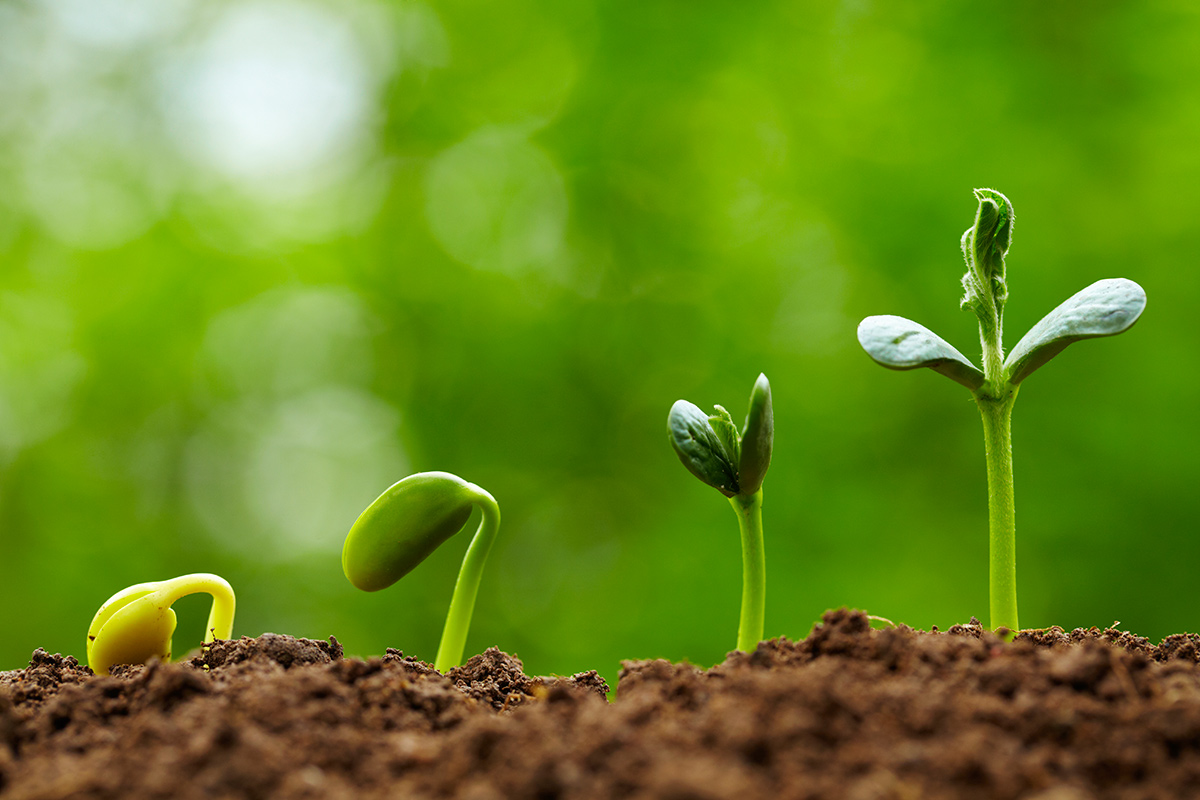
Seeds are nature’s marvels—tiny packets of life, nourishment, genetic information and future growth. Their importance cannot be overstated: they’re the starting point for plants that sustain ecosystems, feed us, beautify our surroundings, and preserve genetic diversity.
Whether you’re planting aromatic herbs, native wildflowers or traditional Maltese crops, mastering the seed is your first step to gardening success. In Malta especially, these gemstones of life must be chosen, sown and cared for with knowledge, respect and care to thrive in our Mediterranean climate.
This blog explores everything you need to know about seeds—from their biology to sourcing and using them in Malta, referencing renowned garden centres where you can buy seeds locally.
1. What Exactly Is a Seed? Understanding the Basics
1.1 Seed Structure
A seed has three primary parts:
- Embryo – a miniature plant containing the future root, stem and leaves.
- Endosperm or cotyledon – the nutrient-packed food store.
- Seed coat – a protective shield guarding against moisture loss, pests and disease.
This simple but ingenious design allows seeds to remain dormant—sometimes for years—until conditions are ideal for germination.
1.2 Seed Types by Plant Family
- Monocots, like grasses and lilies, have a single cotyledon.
- Dicots, such as beans and daisies, have two cotyledons.
Additionally, seeds can be self-pollinating, cross-pollinating, heirloom, or hybrid—each carrying implications for preservation, yield and genetic characteristics.
2. Why Seeds Matter for Malta
2.1 Food Security & Heritage
Historically, Maltese farmers relied on traditional seeds for staples like fava beans (used to make bigilla dip), tomatoes, brassicas and pumpkins. Keeping these seeds alive isn’t just practical—it preserves a living heritage.
2.2 Biodiversity & Native Wildflowers
Malta is home to endemic wildflowers like Hyoseris frutescens, which are unique to these islands (store.experimentalfarmnetwork.org, en.wikipedia.org). By saving and cultivating seeds from these plants, gardeners and conservationists help maintain ecological balance and protect endangered species.
2.3 Climate Adaptation
Malta’s climate (long summers, mild winters, low rainfall) creates unique challenges for seedlings. Locally adapted seeds tend to be more resilient, making trusted varieties from Malta ideal for garden success.
3. How to Buy Quality Seeds in Malta
3.1 Garden Centres Where You Can Buy Seeds
Some top local garden centres stocking seeds include:
- Piscopo Gardens (Burmarrad): Offers a wide range of indoor/outdoor plants, bulbs, potting supplies, and importantly, seed packets (yellow.com.mt).
- Parisio Nursery & Garden Centre (Lija): A full-service centre with tools, compost, fertilisers and seeds (yellow.com.mt).
- Flower Zone (Sannat, Gozo): Specialises in flower seeds; offers delivery for orders over €30 (yellow.com.mt).
- Jardinland (Għajn Tuffieħa): A well-established nursery with 40+ years of experience and a selection of seeds (jardinland.com.mt).
- Innovative Greens (Qormi): Stocks seeds alongside indoor/outdoor plants and garden tools (innogreens.com).
- Seeds‑of‑Malta (online): Offers locally tested seeds cultivated in Malta and imported varieties with worldwide shipping (seedsofmalta.store).
3.2 Tips for Choosing Good Seeds
To pick the best seeds:
- Check the pack date—freshness matters.
- Look for local adaptation—varieties suited for Malta’s Mediterranean climate.
- Prefer open‑pollinated or heirloom if you wish to save seeds year to year.
- Choose organic or untreated seeds to avoid chemical residues.
- Buy from reputable sellers with expertise, like the ones above.
4. How to Sow Seeds Successfully in Malta
4.1 Preparation
- Start early indoors (e.g. late February–March) to get a jump on the growing season.
- Use clean seed trays or pots to prevent fungal issues.
- Fill with light, well‑draining seed compost.
- Label everything clearly.
4.2 Sowing Techniques
- Surface sowing: gentle seeds like petunias need light—don’t bury too deep.
- Deep burying: larger seeds (peas, beans) require more depth—usually 2–3 times the width of the seed.
- Stratify or scarify: tough seeds like citrus may need chilling or gentle abrasion before sowing.
4.3 Germination Conditions
- Water gently, keep compost moist but not soggy.
- Cover trays with a plastic dome or cling film to retain humidity—open daily to allow air exchange.
- Aim for 18–22 °C for most Mediterranean-friendly species.
4.4 Hardening Off
Before transplanting outdoors (April–May), acclimatise young plants by:
- Bringing them outside for a few hours initially, increasing exposure over 7–10 days.
- Gradually exposing to full sun and outdoor wind.
5. Grafting Local Tradition & Seed Cultivation
5.1 Historical Seed Sharing in Malta
In the early 1800s, Sir Alexander Ball established the Ġonna tal-Kmand (Commander’s Gardens) to provide seeds and shrubs to farmers (en.wikipedia.org). Although that direct seed distribution faded, the idea of collective seed‑sharing lives on through today’s community seed libraries and garden clubs.
5.2 Why Save Your Own Seeds?
- Resilience: Adaptability to local climate and pests improves over generations.
- Cost-effectiveness: Once established, seed saving reduces dependency on new packs.
- Biodiversity: Preserves rare or heirloom varieties important for local culture.
6. Spotlight on Native Maltese Seeds
6.1 Hyoseris frutescens – The Maltese Hyoseris
- Endemic to Malta and Gozo, it thrives in garigue and coastal habitats (en.wikipedia.org).
- Easily grown from seed—ideal for wildflower gardens.
6.2 Salsola melitensis – Maltese Salt Tree
- A native shrub legally protected in Malta (sherriesestates.com, en.wikipedia.org).
- Allows research usage under permit—important for conservation efforts.
6.3 Maltese Fava Bean (“Maltese Ful”)
- Used in traditional dishes like bigilla.
- Growing your own enriches cultural heritage and flavours the seed-to-plate journey.
7. Indoor Seed Germination in Malta
7.1 Grow Lights vs Natural Sunlight
During shorter, cooler months, natural light may not suffice; affordable grow lights (fluorescent or LED) can deliver 12–16 hours of daylight to ensure robust seedlings.
7.2 Temperature Control
Ideal indoor seedling temps are:
- 20–25 °C for germination.
- Cooler nights help avoid leggy seedlings.
8. Sustainable Seed Practices
8.1 Buying Ethically
Prioritise:
- Organic-certified seed producers.
- Sellers who can prove growing, testing and expert oversight (e.g. Seeds‑of‑Malta) (seedsofmalta.store).
8.2 Save & Exchange Seeds
- Let plants fully mature, dry seeds properly, and store them in labelled, sealed containers in cool, dark places.
- Exchange seeds via community seed swaps to foster biodiversity.
8.3 Legal & Environmental Considerations
- Avoid wild‑harvesting protected native plants like Salsola melitensis unless you have permits (en.wikipedia.org).
- Grow responsibly to prevent invasive seed escape.
9. Best Seeds to Grow in Malta
| Plant Type | Examples | Benefits |
|---|---|---|
| Herbs | Basil, oregano, parsley | Complement Maltese cuisine |
| Vegetables | Tomatoes, aubergines, fava beans | Rich flavours and tradition |
| Flowers | Native wildflowers, sunflowers, cosmos | Pollinators, beauty |
| Trees/Shrubs | Citrus, native shrubs | Shade, soil stability, endemic identity |
Pro tip: work with local garden centres to select pre-screened seeds known to thrive in Malta’s Mediterranean environment.
10. Where to Buy Seeds in Malta
- Piscopo Gardens (Burmarrad): Reliable seed section plus all your planting needs (piscopogardens.com)
- Parisio Nursery & Garden Centre (Lija): Comprehensive choice of garden essentials and seeds (facebook.com/p/Parisio-Nursery-Garden-Centre-100057061346114/).
- Flower Zone (Gozo): Ideal for flower enthusiasts—delivery available (flowerzonemalta.com).
- Jardinland (Għajn Tuffieħa): Renowned for horticultural expertise and seed selection (jardinland.com.mt).
- Innovative Greens (Qormi): For a broad range of seeds, tools and supplies (innogreens.com).
- Seeds‑of‑Malta (online): Specialist, tested seed supplier rooted in Maltese growing conditions (seedsofmalta.store).
Conclusion: Embracing Seeds in Malta
Malta’s small but mighty botanical landscape is deeply intertwined with seeds—whether in gardens, wild habitats or kitchens. To grow effectively means selecting quality seeds, sowing thoughtfully, respecting native biodiversity and engaging with trusted garden centres across the islands.
By using seeds from local centres like Piscopo, Parisio, Flower Zone, Jardinland, Innovative Greens—and specialist retailers like Seeds‑of‑Malta—you’re not just planting crops; you’re cultivating tradition, resilience and environmental stewardship.
FAQs
Q: When should I sow seeds in Malta?
Start indoors between February and March
Q: Can I save seeds from my plants?
Yes—harvest fully ripe seeds, dry thoroughly, and store in cool, dark jars. Label with plant type and year.
Q: What seeds grow well here?
Pick Mediterranean-friendly varieties, heirlooms or local cultivars—available at local centres.
Q: Are native seeds protected?
Yes. Collecting seeds from protected natives (e.g. Salsola melitensis) requires a permit.
Thanks for reading! If you’re passionate about seeds, sustainability and gardening in Malta, keep exploring and swapping tips—your garden (and our islands) will thank you.
Sources
- Slater, A., Scott, N. W., & Fowler, M. R. (2008). Plant Biotechnology: The Genetic Manipulation of Plants. Oxford University Press.
- Bewley, J. D., & Black, M. (1994). Seeds: Physiology of Development and Germination. Plenum Press.
- FAO – Food and Agriculture Organization of the United Nations – for seed security and biodiversity importance.
- European Seed Association (Euroseeds) – for seed legislation and quality standards in the EU.
- ERA – Environment and Resources Authority, Malta – for legal status of protected species like Salsola melitensis.
- Wikipedia – Hyoseris frutescens – for information on endemic Maltese wildflowers.
- Wikipedia – Fava bean – for cultural and culinary context of Maltese fava beans.
- Wikipedia – Seed – for general seed anatomy and classification.
- Piscopo Gardens
- Parisio Nursery & Garden Centre – Lija
- Flower Zone – Gozo
- Jardinland Malta – Għajn Tuffieħa
- Innovative Greens – Qormi
- Seeds of Malta – Online Seed Store
Discover more from Love for Gardens
Subscribe to get the latest posts sent to your email.

