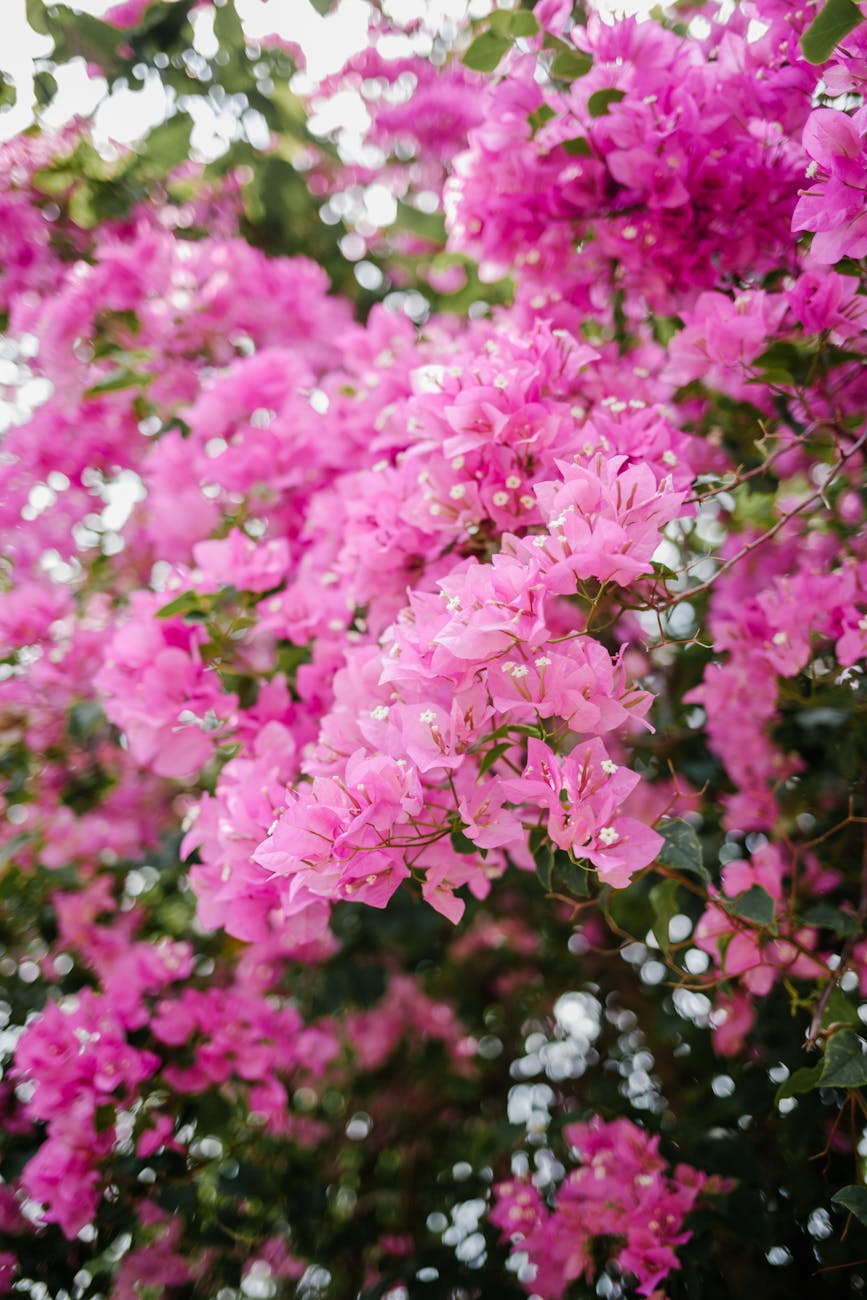
Malta’s hot, sunny climate and diverse landscapes make it a haven for both wild and garden flowers. Locals see bursts of colour year-round, from endemic wildflowers on rocky hillsides to planted bougainvillaea and geraniums in town gardens.
With hot summers, mild winters, and scant rainfall, Maltese gardening focuses on sun-loving, drought-tolerant plants. In this guide, we cover Malta’s seasonal wild blooms, popular cultivated flowers, and practical tips for growing them. We’ll also recommend top nurseries, florists, and public gardens where enthusiasts can buy plants or enjoy beautiful flower displays.
Seasonal Wildflowers of Malta
Malta’s four seasons each bring unique native flowers. The table below highlights key wild blooms by season, many of them endemic or native to the islands:
| Season | Wildflower Names in English / Maltese (Latin) | Bloom Time & Habitat |
|---|---|---|
| Spring | Maltese Rock-Centaury / Widnet il-baħar (Cheirolophus crassifolius) | Late spring – pink-purple clover-like flowers on limestone cliffs (Malta’s national flower). |
| Summer | Sea Lily / Pankrazju (Pancratium maritimum) | July–October – white star-shaped blooms on sandy coastal dunes. |
| Late Summer | Maltese Sea Lavender / Leħjet ix-xiħ (Limonium melitense) | Late summer to early autumn – clusters of purple flowers on salt flats and coastal soils. |
| Autumn | Malta Thyme / Sagħtar (Thymbra capitata) | September–October – aromatic pink blooms in rocky fields and terraces. |
| Winter | Maltese Hyoseris / Żigland (Hyoseris frutescens) | December–February – bright yellow daisy-like flowers on open fields and limestone hillocks. |
These seasonal wildflowers colour Malta’s countryside and coasts. For example, the Maltese Rock-Centaury covers cliffs in pink late in spring, while Sea Lilies with pointed white petals can be seen on rare sandy spots in summer.
Along salted coasts, the endemic Sea Lavender paints the shoreline purple in late summer. In autumn, Maltese Thyme and Mediterranean heathers bloom with fragrant flowers.
Even winter has colour: the cheerful yellow blossoms of Maltese Hyoseris dot fields in December–February. (For more on these and other native plants, see Maltawildplants.com – the online flora of the Maltese Islands.)

Popular Garden Flowers and Plants
Maltese gardeners also cultivate many exotic and Mediterranean plants that thrive in the island’s climate. Below are some favourite garden categories and species:
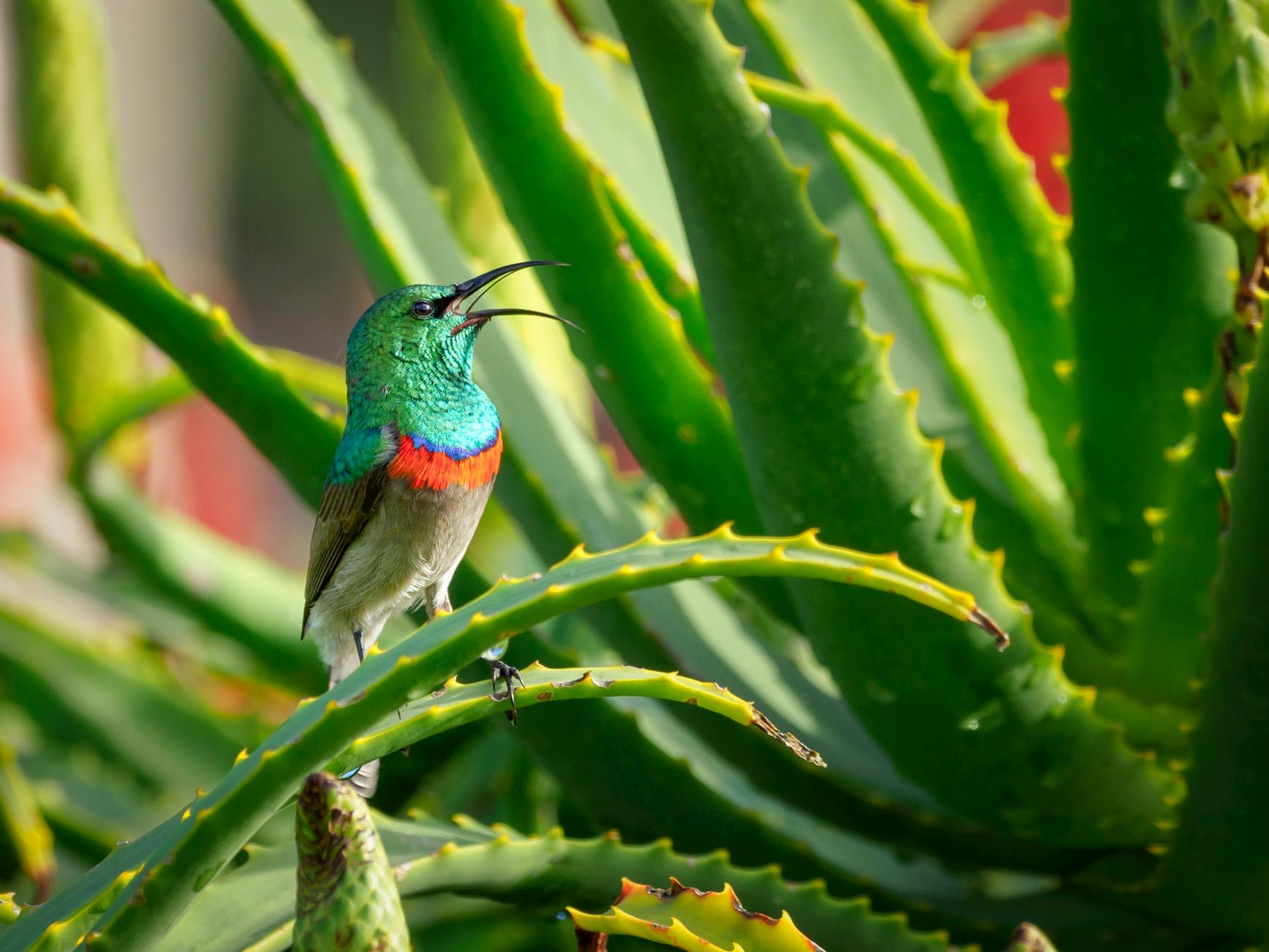
- Succulents – Plants like Aloe vera, Agave and Echeveria are ideal for dry Maltese gardens. These drought-hardy succulents store water in their fleshy leaves and require only occasional deep watering once established. For example, Aloe vera flourishes in well-drained soil with minimal care. Agave and Echeveria similarly survive long dry spells. Succulents often form the foundation of Malta’s low-water gardens and rockeries. Potted succulents like Aloe vera thrive in Malta’s dry, sunny climate. These plants store water in fleshy leaves and need only occasional watering once established.
- Flowering Shrubs & Vines – Several ornamental bloomers add bright colour. Bougainvillaea vines are everywhere, covering walls and pergolas with masses of pink, purple or white bracts. They love full sun and minimal water.
- Lavender brings silvery foliage and fragrant purple flowers – it prefers sun and sharp drainage.
- Geraniums (pelargoniums) are a Mediterranean staple: they bloom almost year-round in warm spots with clusters of red, pink or white flowers. (Oleanders and hibiscus are also common in public gardens, blooming in rich pink and red.) Garden staples like lavender and bougainvillaea flourish in Malta’s sun. Lavender enjoys full sun and little watering, while bougainvillaea adds vibrant purple-pink bracts with minimal care.
- Mediterranean Herbs – Aromatic herbs are both decorative and useful. Rosemary, Thyme, and Sage all love Malta’s dry, rocky soils and sun. These woody herbs require little water once established and lend fragrance and flavour to gardens and cooking. Thyme even serves as a groundcover, and rosemary’s silvery-green sprigs contrast well with flowering plants.
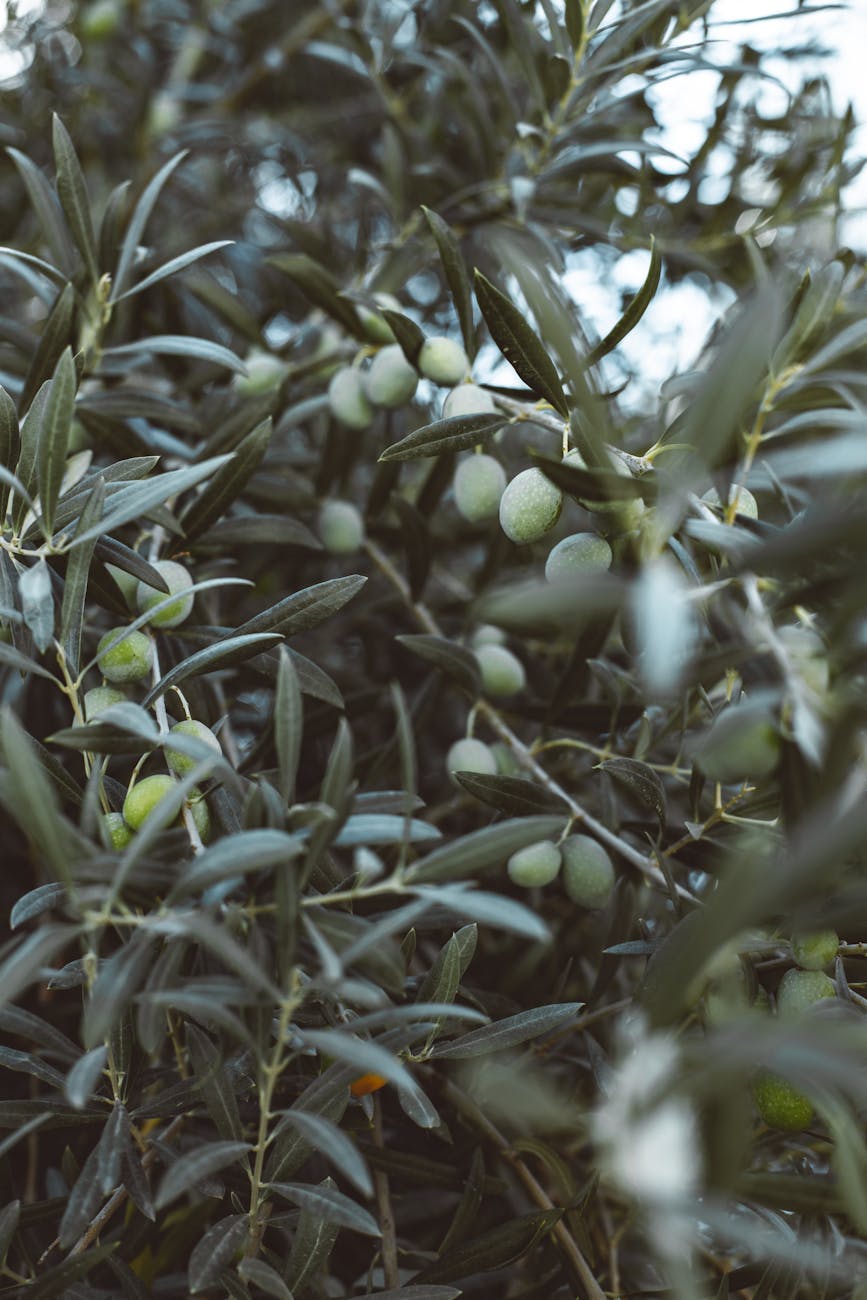
- Other Favourites – For shade and structure, hardy trees like olive or carob are common (sometimes potted or small); they need minimal water and give the garden a classic Mediterranean feel. A touch of exotic colour often comes from potted oleander and hibiscus along walls (for example, Naxxar’s Palazzo Parisio gardens feature dozens of hibiscus and oleander alongside bougainvillaea).
In summary, the most popular garden flowers in Malta are those adapted to heat and drought. As one gardener’s guide notes, bougainvillaea thrives in Malta’s summer, and flowering plants like geraniums and lavender tolerate the hot sun with ease. Succulents and Mediterranean shrubs bring vivid colour with very little watering.
Tips for Growing Flowers in Malta’s Climate
Gardening success in Malta means working with the climate. Here are key tips:
- Water Wisely: Water deeply but infrequently. Many Mediterranean flowers are drought-tolerant. Newly planted specimens can use regular water until established, but afterwards let the soil dry before watering again. This encourages deep roots.
- Mulch and Soil: Mulch heavily around plants to retain moisture and suppress weeds. Malta’s soil is naturally rocky and alkaline, so mix in compost or organic matter to improve fertility and water retention. Always ensure excellent drainage (plants like bougainvillaea hate “wet feet”).
- Sunlight and Shade: Most Mediterranean plants crave full sun, so choose sunny spots. However, provide some afternoon shade for tender plants in the hottest months. For example, young seedlings or potted flowers may need a bit of relief from the intense mid-summer sun.
- Plant Selection: Focus on drought-tolerant, heat-loving species. Succulents, Mediterranean shrubs, and native flowers will naturally fare best.
By following these practices—deep watering schedules, mulching, soil amendment, and smart plant choice—your Maltese garden will thrive with minimal fuss.
Where to Buy Flowers and Plants
Malta has many nurseries, garden centres, and florists for gardening supplies and bouquets. Some notable ones are:
- Nurseries/Garden Centres: Piscopo Gardens (Burmarrad) is a large nursery offering indoor/outdoor plants, seeds, tools and even pets. Parisio Nursery (Lija) and FM Agius Nurseries (Birkirkara) also stock a wide range of plants and compost. The Gaia Foundation (Mellieħa) is a local community garden centre. Innovative Greens (Qormi) and Jardinland (Ghajn Tuffieha) are popular for flowers and landscaping supplies.
- The most popular garden centres and plant shops in Malta include:
These outlets provide everything from seedlings and roses to tropical houseplants. Many also offer gardening tools, compost and decorative pots. (See the Malta Yellow Pages or local directories for up-to-date listings of garden centres and florists in your area.)
Public Gardens and Parks
Malta’s public gardens are beautiful places to see flowers and relax. Some highlights include:
- Argotti Botanical Gardens (Floriana): Founded in 1805, Argotti is one of the oldest gardens in the Commonwealth. Its landmark fig trees and historic cactus beds are home to exotic and native species. This garden was originally for Grandmaster Pinto and now belongs to the University of Malta.
- Valletta Bastion Gardens: Hastings Gardens, Upper and Lower Barrakka Gardens in Valletta are terraced gardens on the bastions. They offer stunning harbour views and are planted with pines, palms, roses and ornamental shrubs. (See Culture Malta’s guide for details.)
- San Anton Gardens (Attard): These grand Baroque gardens belong to the Presidential Palace and are open to the public. Fountains, statues and paths wind through beds of seasonal flowers, mature trees and roses.
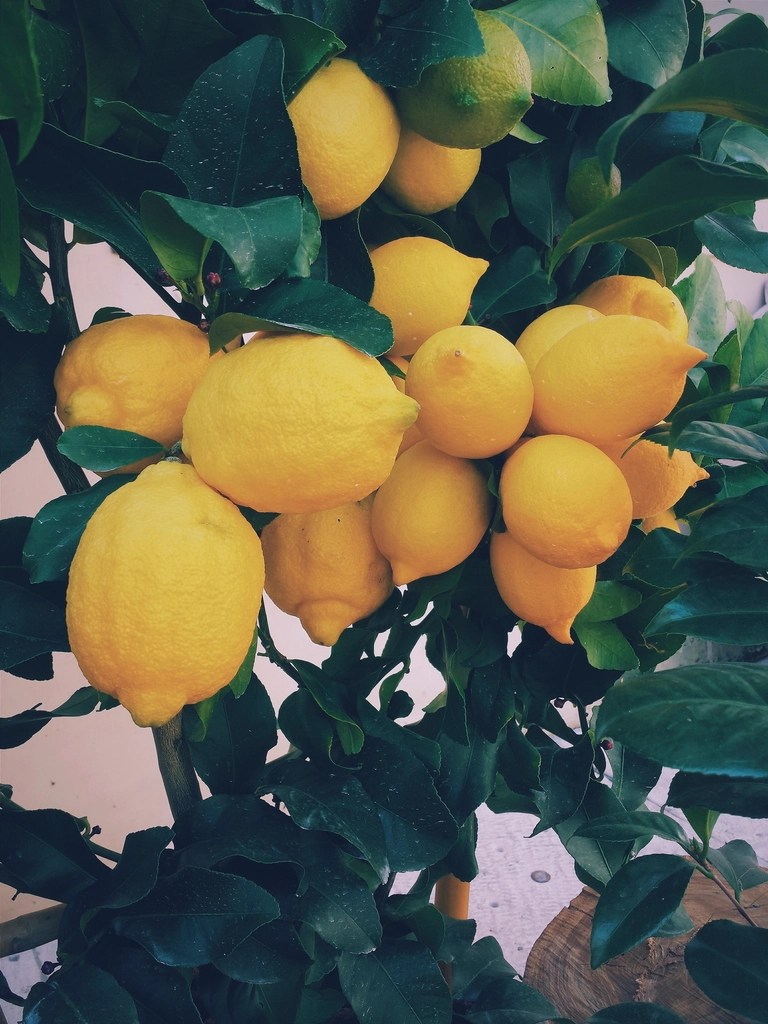
- Buskett Gardens (Dingli): Malta’s only semi-natural woodland, Buskett was planted by the Knights for hunting. It’s now an orchard of citrus and oaks, with shaded trails under historic olive trees. It’s especially lovely in spring.
- Chinese Garden of Serenity (Santa Luċija): A themed garden (Ġnien is-Serenità) featuring Chinese-style pagodas, flowing water and oriental plantings – a tranquil spot for meditation.
Visiting these public gardens lets you enjoy Malta’s flora in context. They often hold fruit trees, roses, and beds of seasonal flowers. (For more places, Culture-Malta.org has a comprehensive list of parks and gardens on the islands.)
Conclusion
Malta’s floral scene is rich with colour, from native wildflowers on limestone cliffs to the potted geraniums on village balconies. By choosing the right plants for the Mediterranean climate—drought-tolerant succulents, hardy shrubs, fragrant herbs and tough natives—gardeners can create a lush, colourful garden that thrives year-round. With proper watering, mulching, and soil care, even hot Maltese summers will yield vibrant blossoms.
Whether you’re strolling through San Anton’s gardens, picking up a new rose at a local nursery, or spotting thyme and centaury in the hills, Malta’s flowers offer endless inspiration. As one gardening guide concludes, a little planning lets your outdoor space bring “a touch of the Mediterranean right to your doorstep”. Happy gardening, and enjoy the blooms!
Sources
- Maltese Flora Reference:
- Public Gardens and Parks in Malta:
- Argotti Botanical Gardens & Resource Centre, Floriana – University of Malta, https://www.um.edu.mt/services/resourcecentres/argotti/
- San Anton Gardens, Attard, https://heritagemalta.mt/san-anton-gardens/
- Buskett Gardens, Dingli – Malta Tourism Authority, https://visitmalta.com
- Palazzo Parisio Gardens, Naxxar, https://palazzoparisio.com
- Chinese Garden of Serenity, Santa Luċija, https://en.wikipedia.org/wiki/Chinese_Garden_of_Serenity
- General Malta Tourism and Culture Guides:
- Culture Malta, https://culture.gov.mt/
- Visit Malta, Official Tourism Site, https://visitmalta.com
Discover more from Love for Gardens
Subscribe to get the latest posts sent to your email.

