
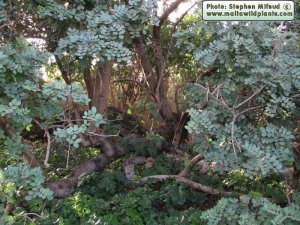
Amid Malta’s rugged landscapes and sun-dappled vistas lies a humble yet enduring figure: the carob tree, or ħarruba in Maltese.
For centuries, this tree has quietly woven itself into the fabric of Maltese life, nurturing generations with its versatility and resilience.
From its ancient roots in folklore to its essential role in modern, sustainable agriculture, the carob tree stands as a living symbol of Malta’s history, health, and culinary evolution.
Journey with us as we delve into this extraordinary tree, exploring its roots in Maltese culture, its significance to the ecosystem, and its delectable role in Maltese kitchens today.

1. A Cultural Icon Rooted in Maltese Soil
From Ancient Times to Today: A Tree of Survival and Strength
The carob tree’s legacy stretches back millennia. Believed to have been brought to Malta by Phoenician traders, it quickly took root in the island’s sun-parched soil, flourishing where few others could.
This isn’t just a tree; it’s a testament to resilience. In medieval times, carob was a farmer’s loyal companion, a crop that could withstand drought and bear fruit even in lean years, offering sustenance when other foods were scarce.
Its sturdy wood provided tools and shelter, while its nutrient-rich pods kept hunger at bay.
In Maltese folklore, the carob tree was revered as a symbol of protection and good fortune. Its syrup was believed to heal both body and spirit, a balm against illness and a shield against ill winds.
For many Maltese, the carob tree carries memories of grandmothers making syrup on stovetops, the rich aroma of boiling carob filling the house, a scent inseparable from the essence of home.

Symbolism in Maltese Folklore
The carob tree is often viewed as a metaphor for Malta itself: resilient, adaptable, and giving.
Families cherished their carob trees, passing them down through generations, each tree a witness to countless seasons of life on the island.
Today, the carob tree remains a beloved fixture of Malta’s cultural landscape, a quiet giant that has weathered history alongside the Maltese people.
2. A Tree of Vital Importance for Malta’s Environment
In a world where sustainable agriculture is critical, Malta finds a natural ally in the carob tree.
Drought Resistance: A Natural Survivor in Malta’s Climate
Carob trees thrive where other crops falter. Their unique physiology allows them to tap into groundwater reserves deep beneath the surface, needing little to no irrigation.
As Malta faces rising temperatures and prolonged dry spells, carob trees offer an eco-friendly solution, helping farmers cultivate food without further depleting water resources.
Soil Enrichment and Erosion Control
The carob tree does more than endure; it gives back.
Its extensive roots anchor soil, preventing erosion on Malta’s hilly landscapes and cliffs, like those along Dingli Cliffs.
By holding the earth in place, carob trees protect Malta’s delicate topsoil, keeping the land fertile and helping Malta preserve its precious natural resources.
A Haven for Biodiversity
Carob trees provide a lifeline for many species, creating microhabitats for birds, insects, and mammals.
Their flowering period in autumn is particularly crucial, as it provides food for bees and other pollinators when few other plants bloom.
By fostering biodiversity, carob trees contribute to the health of Malta’s ecosystems, ensuring that the island’s flora and fauna continue to thrive.
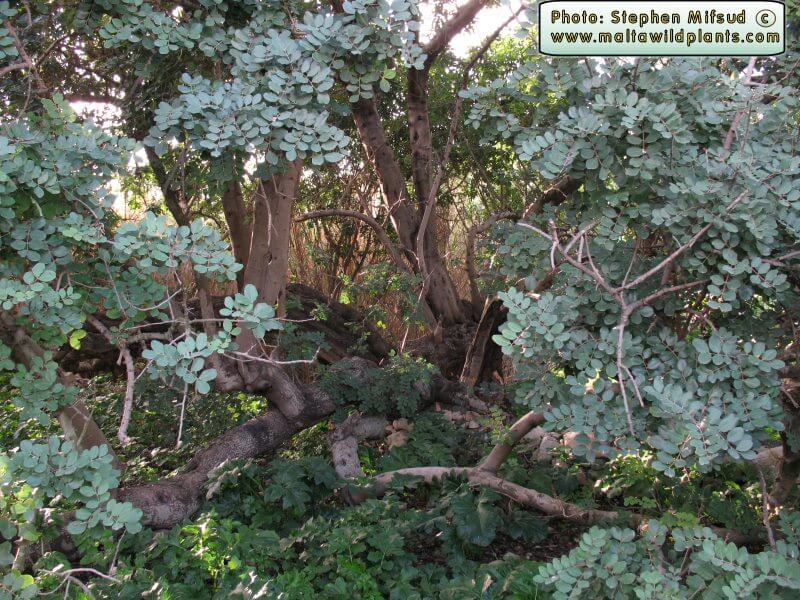
3. Where to Experience the Carob Tree in Malta: A Nature Lover’s Guide
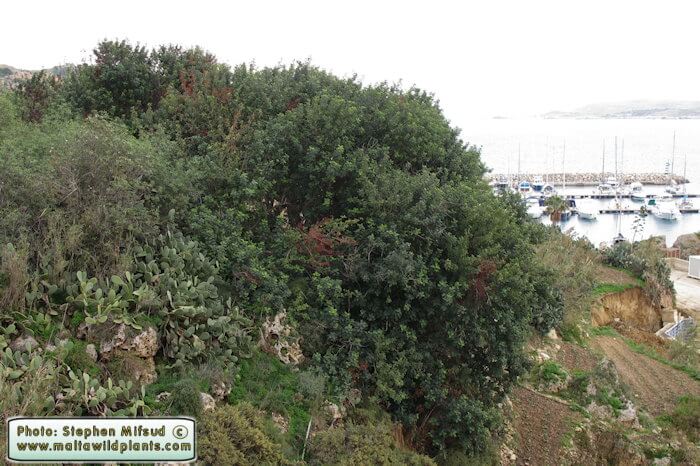
Malta is home to countless carob trees, many of them centuries old.
They stand proud along country trails, coastal cliffs, and even within city limits.
Here are some places where you can experience the carob tree’s quiet majesty:
Dingli Cliffs
Here, carob trees hug the rocky edges, where wind and sea meet.
The carob trees along Dingli Cliffs are not only striking but also a testament to the tree’s resilience. Walk along the cliffs at sunset, and you’ll see carob trees silhouetted against the sky, lending a timeless beauty to the landscape.
Buskett Gardens
In the heart of Malta’s only woodland, Buskett Gardens, carob trees grow alongside pine, olive, and citrus trees.
This is a beloved spot for families and nature lovers alike. Buskett offers a serene backdrop where the carob tree’s peaceful presence is deeply felt, inviting you to unwind and reconnect with Malta’s natural world.
Mġarr’s Farmland
For a more immersive experience, head to Mġarr, where carob trees are interwoven with fields of olives and vineyards.
This agricultural region offers a glimpse into the island’s traditional farming practices, where the carob tree has supported rural life for centuries. Here, carob is not just a crop; it’s part of a legacy.
4. The Healing Power of Carob: Benefits of Għasel tal-Ħarrub (Carob Syrup)
Carob syrup, known locally as għasel tal-ħarrub, is Malta’s golden elixir, treasured for its health benefits and rich flavour.
Natural Antioxidants: A Defence Against Modern Ailments
Packed with polyphenols, carob syrup offers potent antioxidant benefits, helping combat oxidative stress and inflammation.
Regularly consuming carob syrup may support heart health and strengthen the immune system, making it a natural remedy well-suited to modern wellness needs.
Digestive Health and Beyond
Carob’s high fibre content aids digestion, promoting regularity and gut health.
Unlike chocolate, carob is caffeine-free, making it suitable for children and those with dietary restrictions. Its gentle sweetness and unique flavour make it a wholesome choice for anyone looking to cut down on refined sugars.
A Soothing Remedy for Coughs and Colds
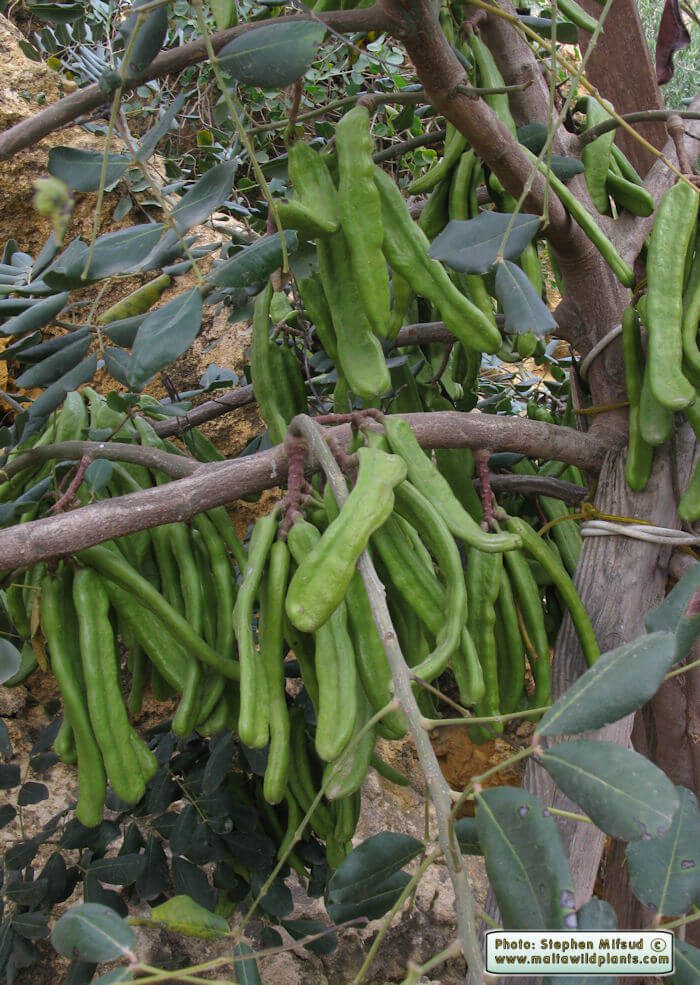
Maltese families have long relied on carob syrup as a go-to remedy for coughs, sore throats, and colds.
Its thick, honey-like consistency coats the throat, providing relief and comfort. With winter approaching, there’s no better time to add carob syrup to your pantry and embrace this natural, Maltese-born remedy.
5. Traditional Maltese Recipe: How to Make Carob Syrup
Making carob syrup at home is a deeply rewarding experience.
The process is simple yet meditative, filling your home with the warm, earthy aroma of carob. Here’s how Maltese families have made it for generations:
- Gather Fresh Carob Pods: Select ripe, dark brown pods from a tree, or purchase them from a local farmer’s market.
- Wash and Dry the Pods: Rinse the pods well to remove dirt. Dry them thoroughly before beginning.
- Boil and Simmer: Crush the pods lightly, then place them in a large pot with enough water to cover them. Simmer on low heat until the water absorbs the natural sugars, turning a rich, dark brown.
- Strain and Reduce: Remove the pods, strain the liquid, and return it to the pot. Continue to boil until it thickens into syrup, a process that can take several hours.
- Bottle and Enjoy: Once cooled, pour the syrup into glass jars or bottles. Store in a cool, dark place. Your homemade għasel tal-ħarrub will be a comforting, nutrient-rich treat.
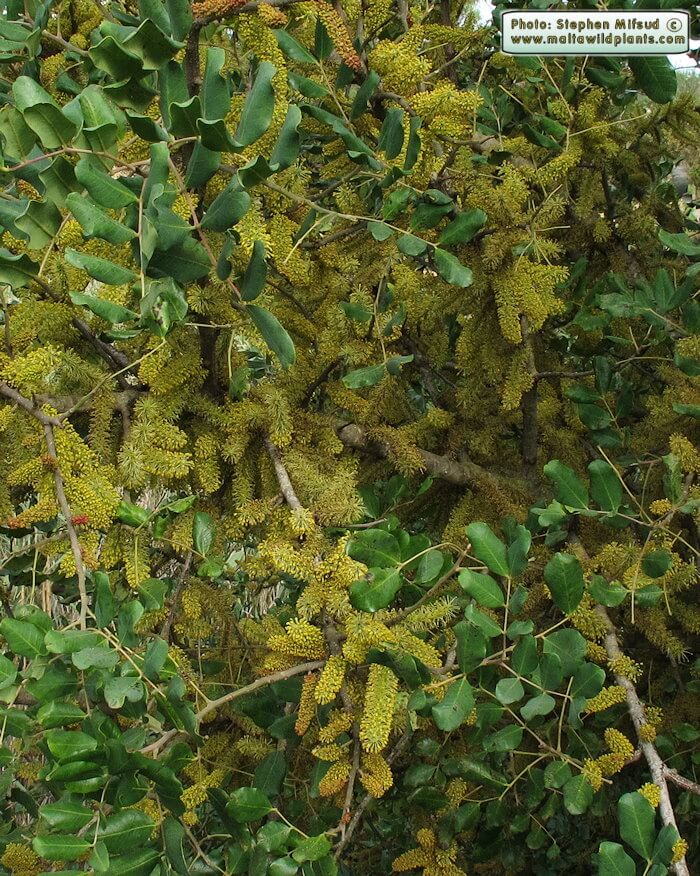
6. Carob Syrup in Maltese Cuisine: Honouring Tradition and Embracing Innovation
Carob syrup’s flavour is distinctive – slightly sweet with a touch of bitterness – making it a versatile ingredient in Maltese kitchens. Here’s how it’s used traditionally and in modern Maltese cuisine.
Traditional Uses
- Qagħaq tal-Ħmira: These Maltese yeast rings, flavoured with aniseed and sweetened with carob syrup, are a local delicacy. Baked golden and aromatic, they’re often enjoyed with tea or coffee.
- Kwareżimal: This dense biscuit, made with almonds, spices, and carob syrup, is traditionally eaten during Lent. Its chewy, satisfying texture makes it an enduring favourite, reflecting Malta’s rich culinary heritage.
Contemporary Uses
- Carob Syrup Marinade: Maltese chefs are exploring carob syrup as a glaze for pork and poultry, where its earthy sweetness complements the savoury flavours. It’s a beautiful example of tradition meeting innovation.
- Carob Latte: Carob syrup added to steamed milk creates a soothing drink that’s naturally caffeine-free. Enjoy it warm on a cool evening or as a comforting start to your day.
- Energy Bites with Carob Syrup: Mix carob syrup with nuts, oats, and seeds to create nutritious snacks that are perfect for an active lifestyle. These bites are a modern twist on the traditional use of carob as a source of energy.
7. Embracing Carob in Modern Malta: New Products, New Trends
Malta’s love for carob is experiencing a revival, with new products emerging that bring this age-old ingredient into the modern era.
- Carob Flour: Gluten-free and nutrient-dense, carob flour is now being used in Maltese bakeries and home kitchens alike. From cakes to breads, it adds a warm, unique flavour that honours Maltese tradition while catering to modern dietary needs.
- Carob Chocolate: With its rich, cocoa-like taste and no caffeine, carob chocolate is a guilt-free indulgence gaining popularity in Malta. Local chocolatiers are creating exquisite carob chocolates, offering an alternative to conventional sweets.
- Carob Liqueur: Specialty liqueurs infused with carob syrup are a new trend, adding a touch of Maltese flavour to cocktails. These drinks celebrate carob’s rich taste and history, offering a sophisticated twist for modern palates.
8. Celebrating Carob in Maltese Dishes: A Fusion of Old and New
Carob’s distinctive flavour shines in traditional Maltese dishes as well as innovative recipes that reflect Malta’s evolving culinary landscape. Here are a few must-try carob-infused dishes:
Classic Recipes
- Qagħaq tal-Ħmira: A timeless favourite, these yeast rings embody the simple, comforting flavours of Maltese cuisine.
- Kwareżimal: A beloved treat during Lent, kwareżimal biscuits are a symbol of Maltese tradition, flavoured with carob syrup and spices that evoke Malta’s Mediterranean heritage.
Modern Creations
- Carob-Infused Salad Dressings: Carob syrup is being used in salad dressings to add depth and a hint of sweetness to Mediterranean-inspired salads.
- Carob Torte: This dessert combines carob syrup and carob flour to create a decadent, caffeine-free chocolate alternative that appeals to both locals and visitors.
Conclusion
The carob tree in Malta is far more than a source of food; it’s a symbol of resilience, sustainability, and cultural pride.
From its role in Maltese folklore to its environmental contributions and culinary potential, the carob tree encapsulates what it means to be Maltese – steadfast, adaptable, and deeply rooted in tradition.
Embracing the carob tree is a way of honouring Malta’s past while contributing to a more sustainable future.
Whether you’re tasting carob syrup, hiking among ancient carob trees, or experimenting with carob flour in your kitchen, you’re part of a legacy that stretches back centuries, a living connection to Malta’s timeless spirit.
If you found this post interesting, you might also like the following:
Discover more from Love for Gardens
Subscribe to get the latest posts sent to your email.

