
Malta’s Mediterranean climate provides an excellent environment for cultivating a wide array of plants, trees, and garden styles. With dry, hot summers and mild winters, gardeners in Malta can enjoy a rich diversity of greenery year-round. In this comprehensive guide, we’ll explore the best trees to grow in Malta, look at popular garden types, indoor plant care, and learn about some of the island’s most famous gardens, such as Argotti Gardens and San Anton Gardens Malta.
Whether you’re looking to grow fruit trees, establish an ornamental garden, or cultivate houseplants, this guide will cover everything you need for successful gardening in Malta.

What Are the Best Trees to Grow in Malta?
When it comes to gardening in Malta, choosing trees that can thrive in Malta’s unique climate is essential. Trees that are drought-resistant, hardy, and require minimal care tend to do well here. Let’s explore some of the best trees Malta has to offer, focusing on varieties that not only enhance the landscape but also withstand the local weather conditions.
- Olive Tree (Olea europaea)
The olive tree is deeply rooted in Maltese history and culture. Its resilience to drought and poor soil makes it ideal for Malta’s arid regions. Olive trees are known for their slow growth and can live for centuries, often becoming focal points in gardens due to their gnarled, picturesque trunks. Additionally, they bear olives that can be harvested and cured for personal use. - Maltese Carob Tree (Ceratonia siliqua)
The carob tree is a Maltese plant cherished for its hardiness and culinary use. The tree produces long, edible pods that have been used as a chocolate substitute and as a base for syrups in traditional Maltese sweets. Its evergreen leaves and dense foliage make it ideal for providing shade and attracting local wildlife, such as birds and insects. - Fig Tree (Ficus carica)
A classic choice, fig trees are both practical and ornamental. Their broad leaves provide shade, and their sweet fruit is a summer delight. Fig trees require minimal care, thrive in well-drained soil, and are ideal for smaller gardens or even raised garden beds due to their shallow roots. - Lemon Tree (Citrus limon)
Lemon trees are a staple in Mediterranean gardens, bringing a pleasant aroma and bright fruit to any landscape. Known for their fragrant blossoms, lemon trees attract pollinators and are highly productive in Malta’s sunny conditions. They’re relatively low-maintenance but appreciate regular watering during the summer. - Prickly Pear (Opuntia ficus-indica)
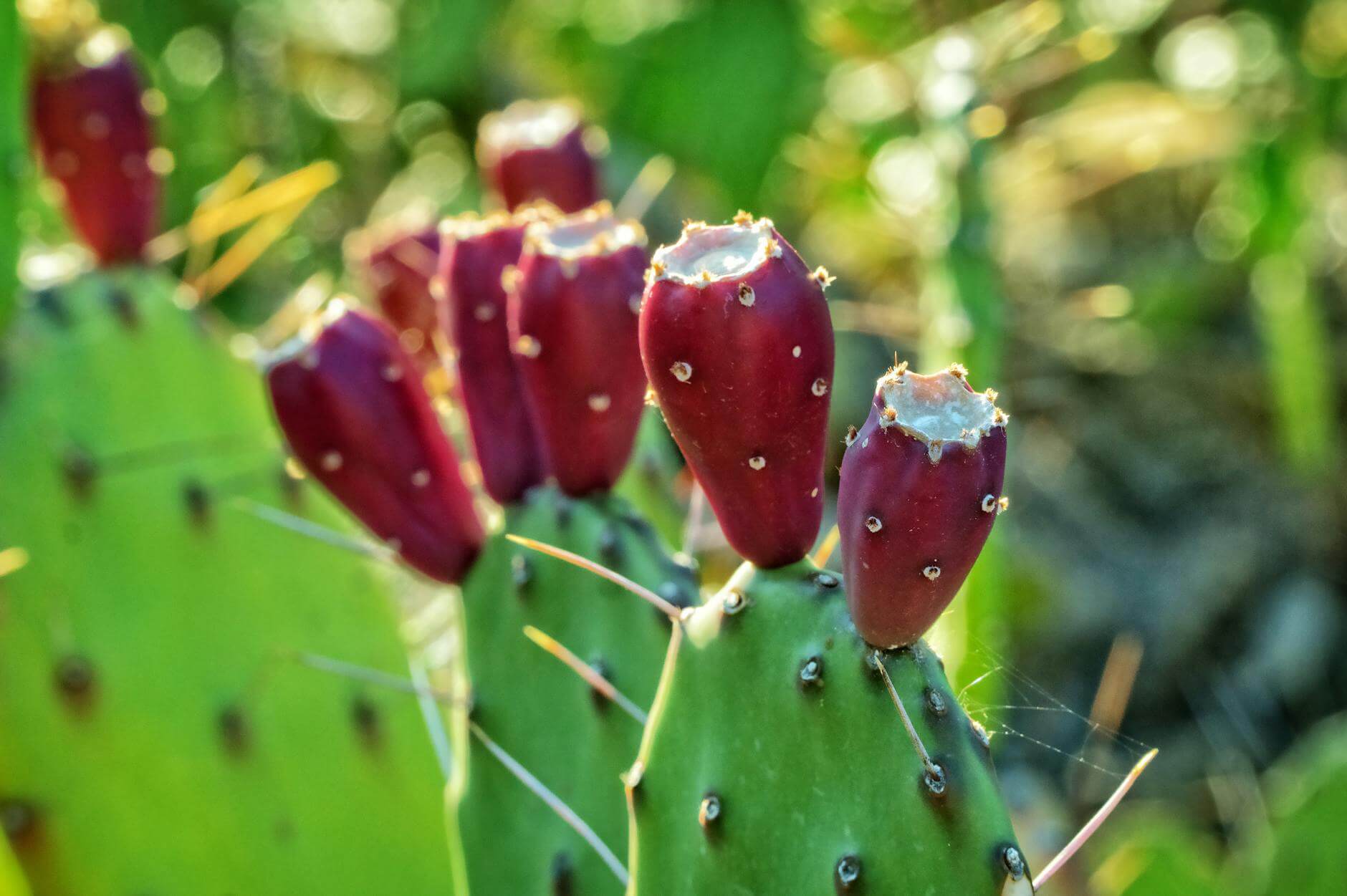
A resilient option, the prickly pear cactus is a common sight across Malta. This tree-like cactus produces sweet, edible fruit and requires virtually no water once established. It’s also highly decorative and offers a unique texture to the garden landscape.
Indigenous Plants Malta: Embracing Native Flora
Malta is home to numerous indigenous plants that thrive naturally in its climate. Using indigenous plants in Malta in your garden not only supports local biodiversity but also reduces water usage and maintenance requirements. Here are a few notable native plants to consider:
- Mastic Tree (Pistacia lentiscus)
Known for its rich green foliage and resin production, the mastic tree is ideal for Maltese gardens. This plant can be pruned into a shrub or small tree, fitting well into various garden styles. It is highly drought-tolerant and grows well in Malta’s rocky soil. - Mediterranean Thyme (Thymus capitatus)
This aromatic herb thrives in rocky, well-drained soil. Mediterranean thyme is perfect for adding flavour to dishes while also enhancing the garden’s sensory appeal with its fragrant, purple flowers. Its low water needs make it a staple for xeriscaping. - Maltese Everlasting (Helichrysum melitense)
Recognized by its silver leaves and small yellow flowers, the Maltese Everlasting is perfect for sunny spots. This low-maintenance shrub provides ground cover and grows well in rocky gardens.

Evergreen Trees Malta: Year-Round Greenery and Shade
In Malta, evergreen trees provide shade, privacy, and greenery year-round. They’re particularly valuable in public and private gardens due to their drought resistance and minimal care requirements. Popular choices include:
- Aleppo Pine (Pinus halepensis)
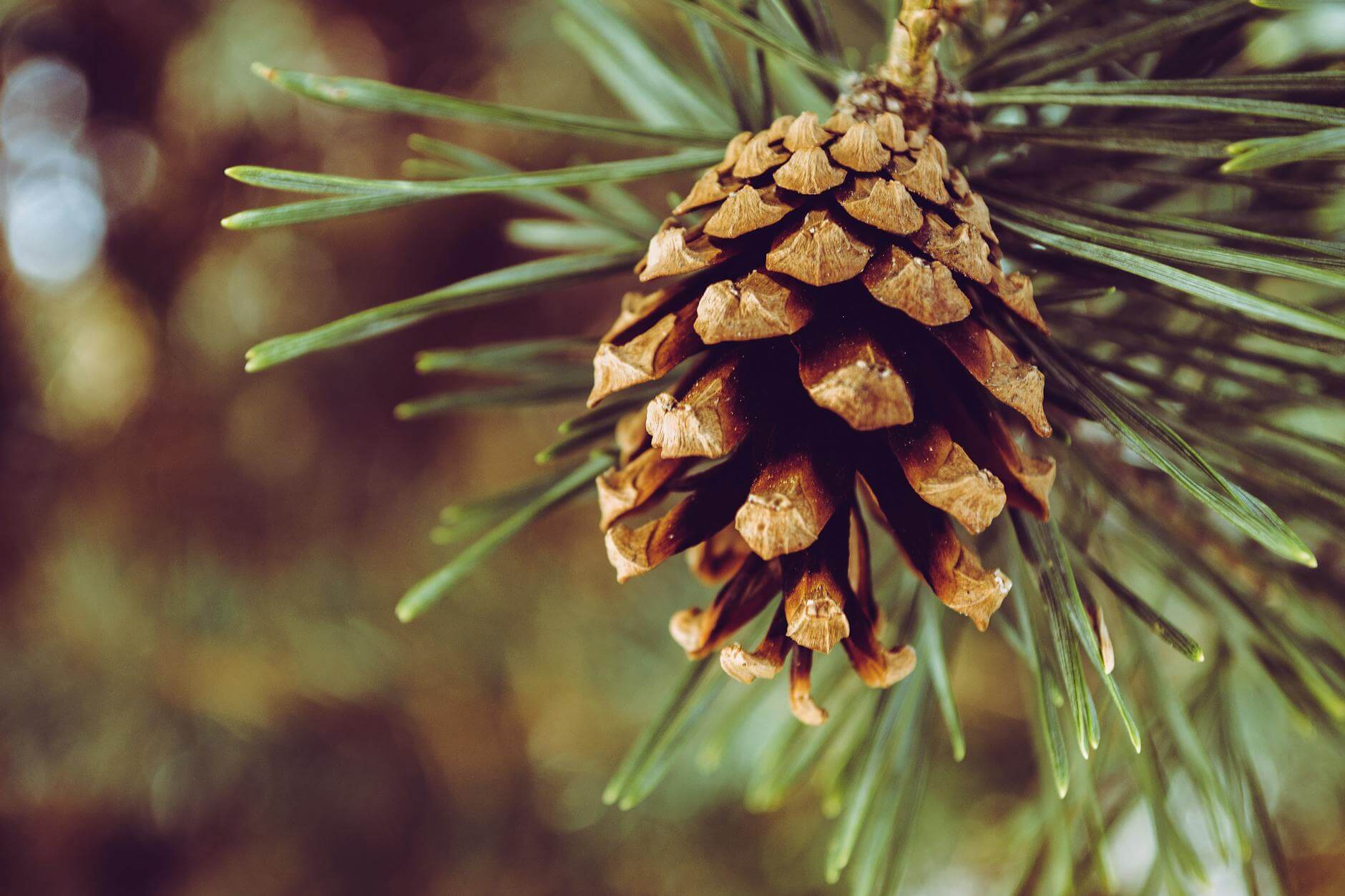
A large, hardy tree, the Aleppo pine is ideal for those looking for significant shade or wind protection. The tree’s attractive, light green needles create a beautiful contrast against the Mediterranean sky. - Mediterranean Cypress (Cupressus sempervirens)
Cypress trees are often used as focal points or to line pathways. They grow well in sandy or clay soil and are highly resilient in dry conditions, requiring little more than occasional watering. - Stone Pine (Pinus pinea)
Known for its umbrella-like canopy, the stone pine offers both shade and a unique architectural presence in gardens. It’s slower-growing but long-lived, making it a sustainable choice for large landscapes.
Small Trees Malta: Options for Compact Gardens
Not all trees need to be towering giants; Malta offers several small trees that fit perfectly in urban or compact spaces. These trees add charm and structure without overwhelming small gardens:
- Bay Laurel (Laurus nobilis)
Bay laurels are versatile as both shrubs and small trees, valued for their fragrant leaves. They’re excellent for smaller gardens and can be pruned into various shapes, adding elegance to any space. - Oleander (Nerium oleander)
This hardy flowering tree can be kept compact with pruning. It offers vibrant flowers in pink, white, or red, and is highly drought-resistant. However, note that oleander is toxic if ingested, so it may not be suitable for households with pets or young children. - Pomegranate Tree (Punica granatum)
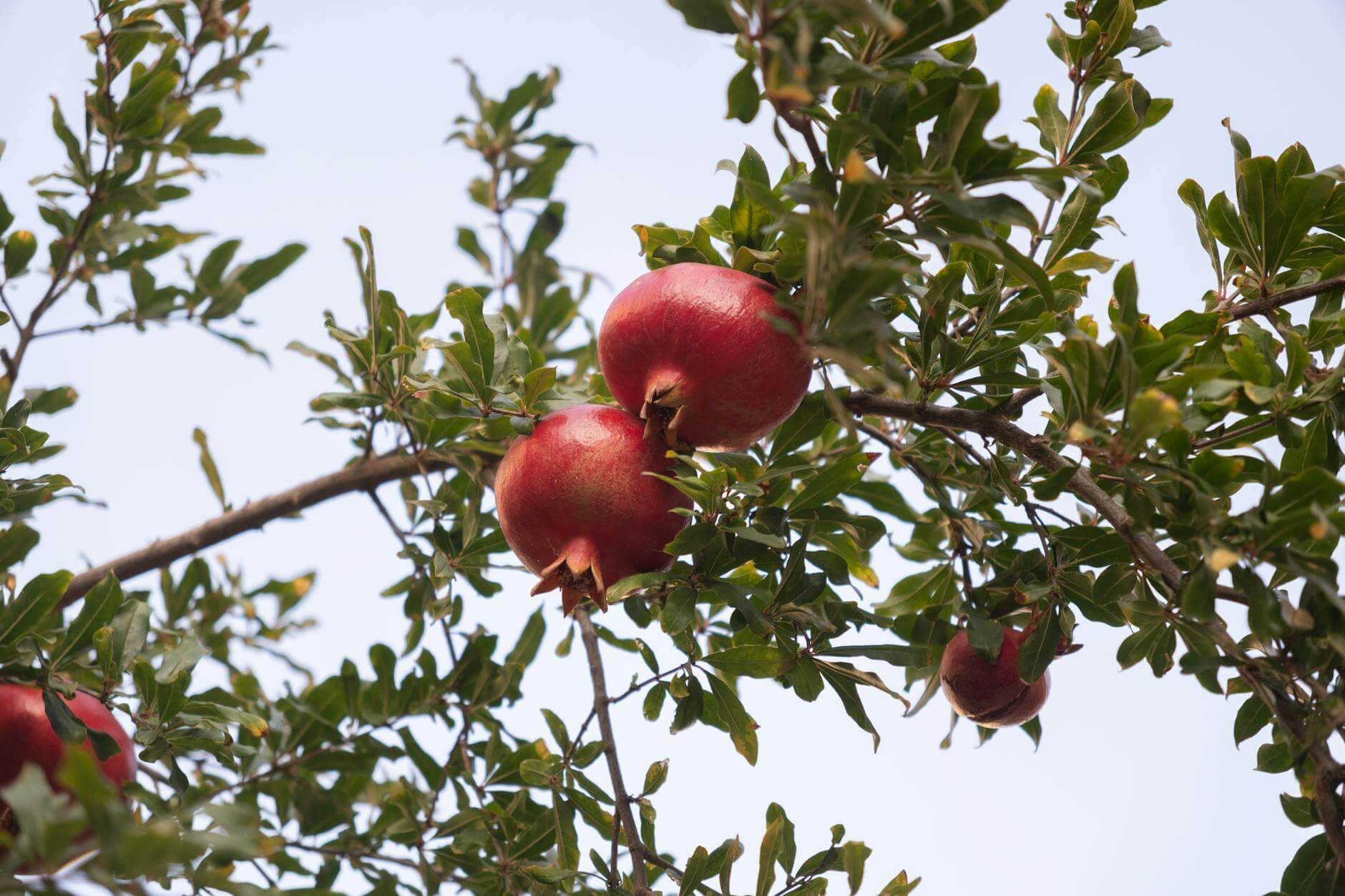
The pomegranate tree is a compact, deciduous tree that produces delicious fruit and has stunning red flowers. Its manageable size and ability to tolerate drought make it ideal for Malta’s climate.
Fruit Trees in Malta: Cultivating a Harvest in Your Garden
In addition to ornamental trees, Malta is an excellent place to grow various fruit trees. These trees add both beauty and function, producing fresh produce in your backyard.
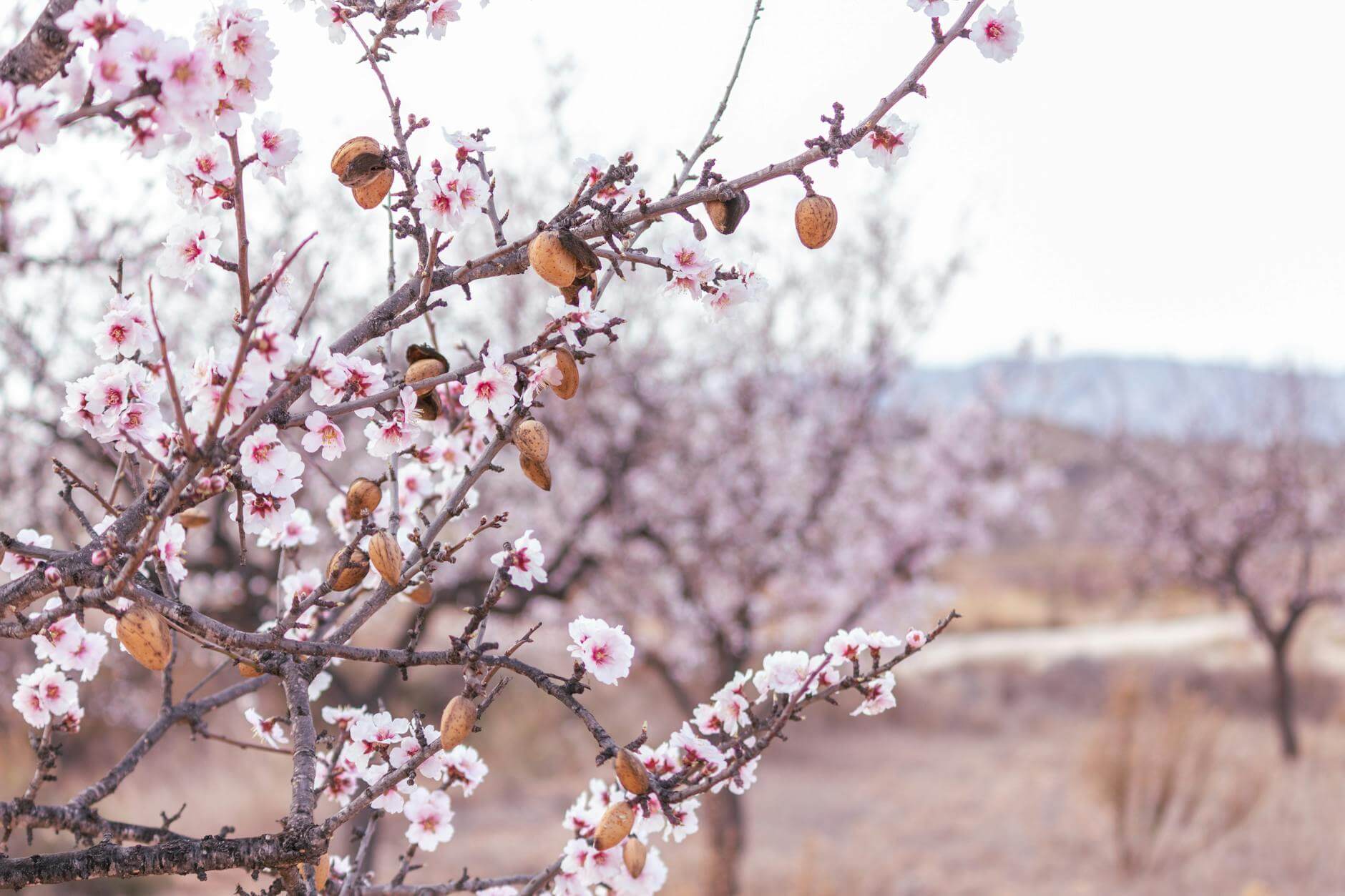
- Almond Tree (Prunus dulcis)
With beautiful pink blossoms in early spring, the almond tree is a symbol of renewal. It does well in Maltese soil and provides edible nuts after flowering, although it requires some patience as the trees mature slowly. - Loquat Tree (Eriobotrya japonica)
Producing tangy, orange-yellow fruits, the loquat tree is perfect for coastal areas and thrives in the sun. The fruit is popular in Maltese cuisine and provides early spring colour. - Apricot Tree (Prunus armeniaca)
With its lush green leaves and soft, juicy fruit, the apricot tree is a joy to grow in Maltese gardens. While apricots require regular watering, the reward is a bountiful harvest in the summer.
Visiting Malta’s Most Famous Gardens
Malta’s gardens are a source of inspiration for gardeners. Argotti Gardens in Floriana is a historic site featuring diverse plant species and serene walkways. It’s also a hub for botanical studies, showcasing plants native to Malta and beyond. Another popular destination is San Anton Gardens Malta, located in Attard. These gardens are renowned for their fountains, statues, and ponds, and they’re home to an array of rare plants and century-old trees.
For families, San Klement Park is a newer, kid-friendly park that provides different types of garden layouts, from landscaped lawns to wildflower areas. It’s a peaceful place to explore and a great way to see different garden designs in action.

Indoor Plants and Houseplants: Bringing Greenery Indoors
For those without a large outdoor space, indoor plants offer a way to bring nature indoors. Some of the best houseplants for Maltese homes include hardy, low-maintenance varieties suited to warm, sometimes dry indoor conditions.
- Snake Plant (Sansevieria trifasciata)
Known for its durability, the snake plant is tolerant of low light and requires minimal water. Its tall, pointed leaves add architectural interest to any room. - Peace Lily (Spathiphyllum)
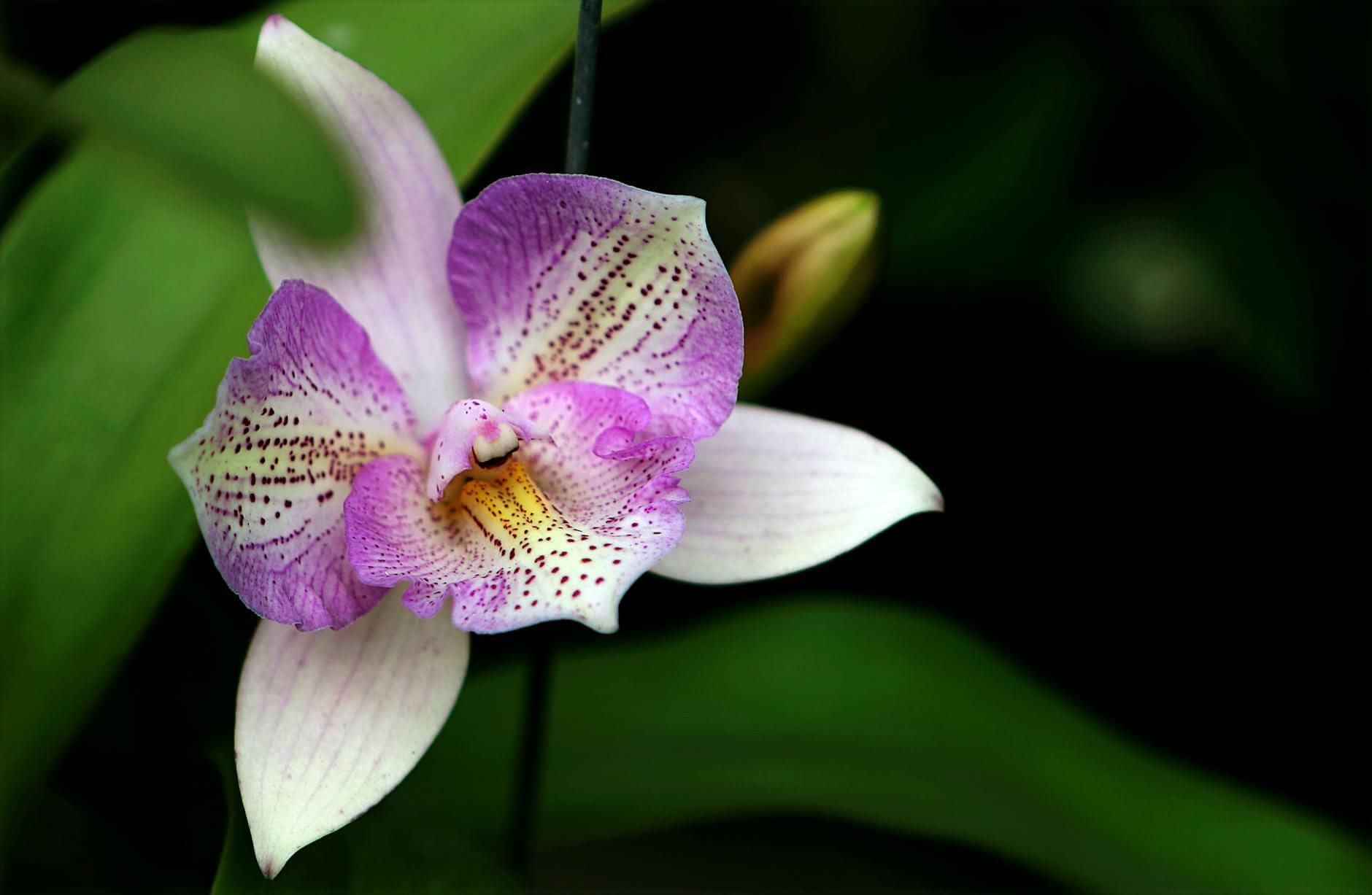
With its elegant white blooms and air-purifying qualities, the peace lily is perfect for shaded indoor areas. It’s relatively low-maintenance but needs regular watering. - Orchids in Leca
Growing orchids in leca (light-expanded clay aggregate) is a method that enhances root aeration and controls moisture, making it ideal for homes in Malta. Orchids grown this way require less frequent watering and thrive in bright, indirect sunlight.
Raised Garden Beds: Optimizing Space and Soil Quality
Raised garden beds are excellent for maximizing space, especially in smaller gardens. These beds improve drainage, give more control over soil composition, and are ideal for growing vegetables, herbs, and small shrubs. Popular plants for raised garden beds include:
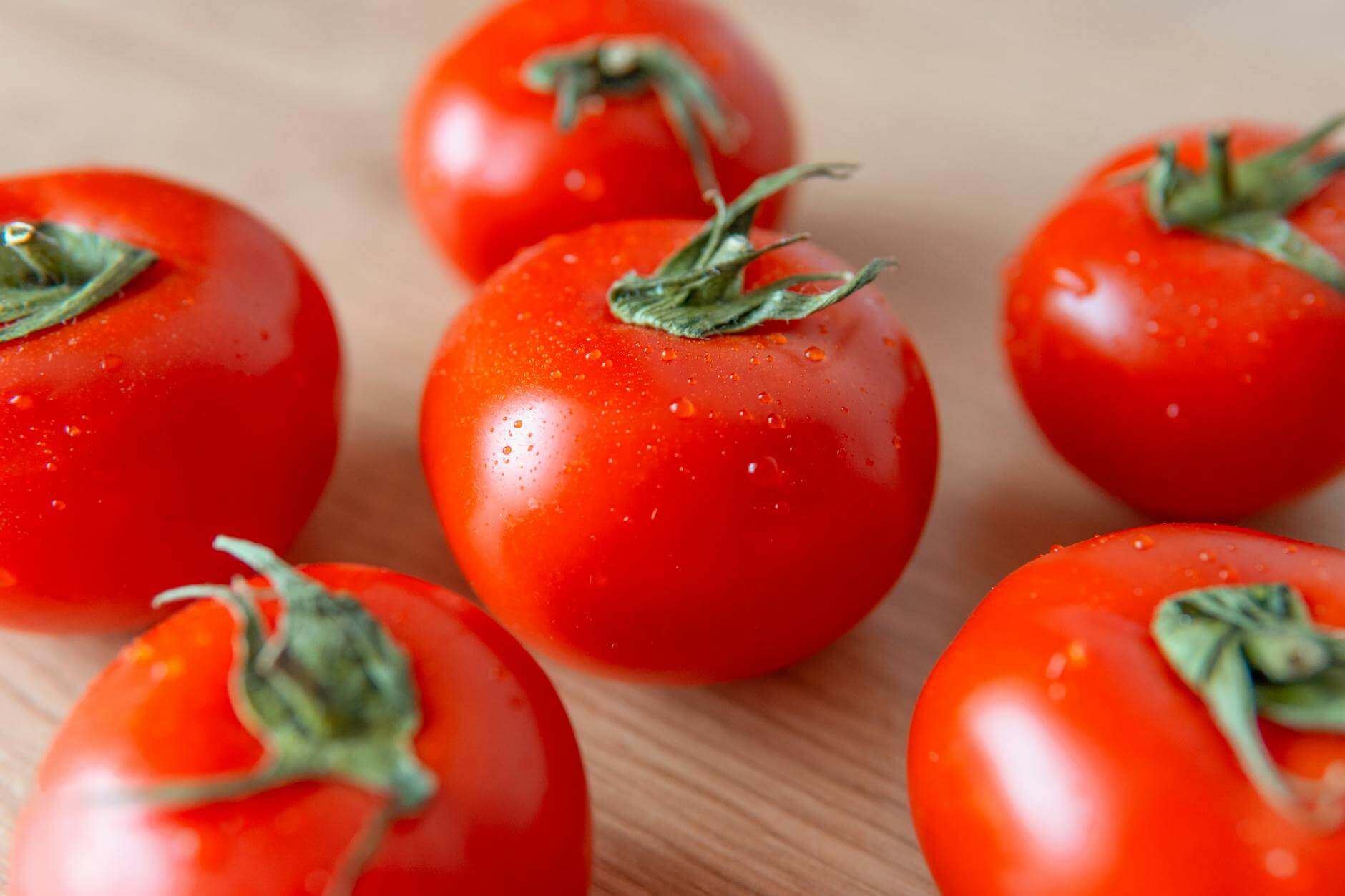
- Tomatoes – Perfect for Malta’s climate, with plenty of sunlight.
- Bell Peppers – Thrive in warm, sunny conditions and produce vibrant fruit.
- Herbs – Mediterranean herbs such as basil, rosemary, and thyme grow well in raised beds, especially when mixed for a culinary garden.
Raised beds can be designed to fit any garden space, offering flexibility and a practical solution for gardeners of all skill levels.
Adding Colour with Flowers in Maltese Gardens
Flowers bring vibrancy and colour to Maltese gardens, enhancing both private and public spaces. Some popular choices for flowers include:
- Bougainvillea – Known for its bright pink, purple, or red blooms, bougainvillea adds a splash of colour to walls and trellises. It thrives in direct sunlight and requires minimal water.
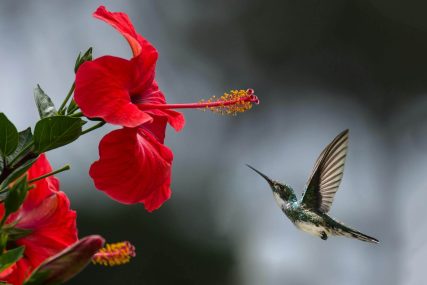
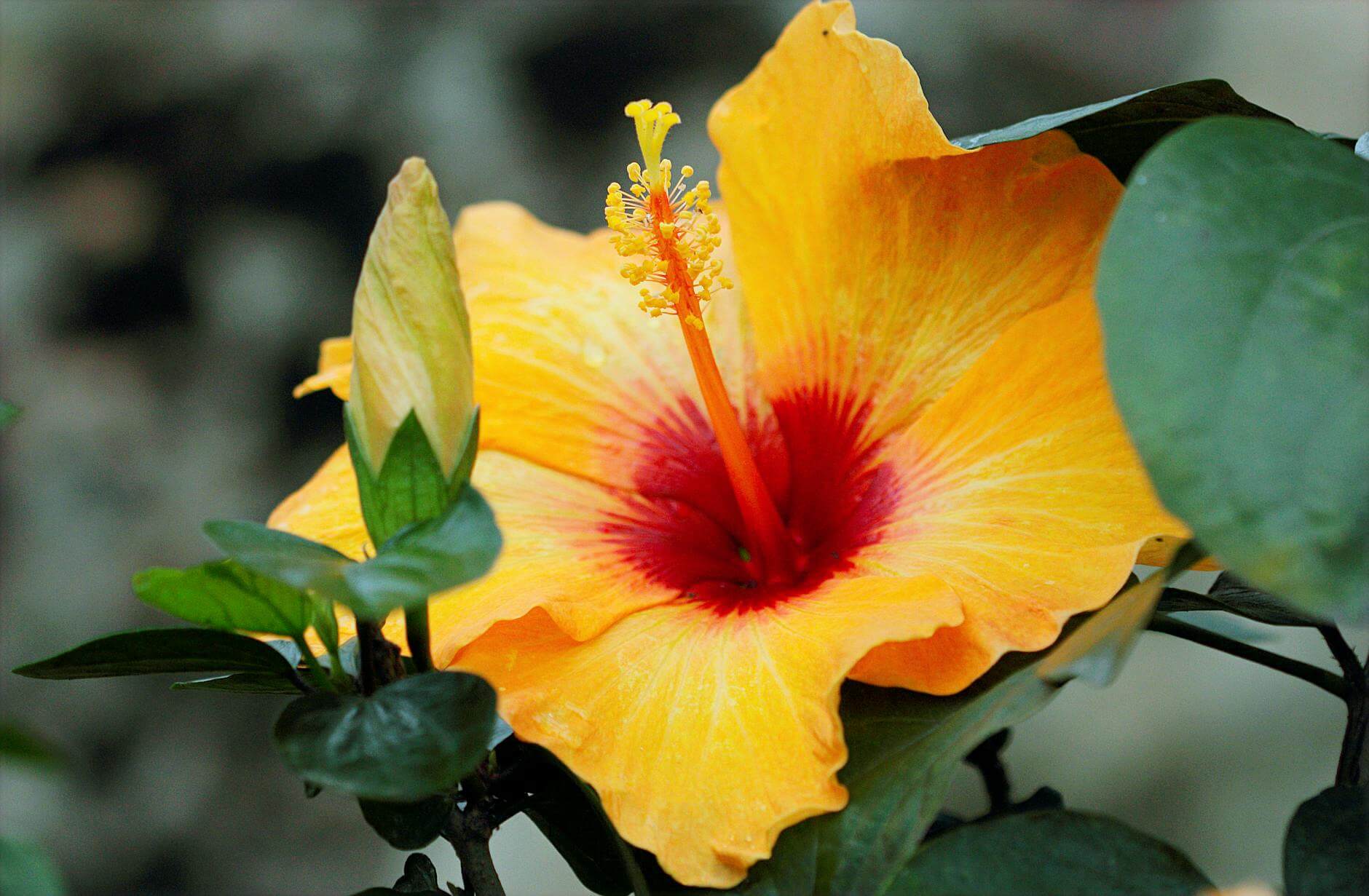
- Hibiscus – With its tropical flowers, hibiscus is perfect for warm gardens. It blooms throughout the summer, attracting pollinators and adding a vibrant focal point.
- Hydrangeas – Though a bit challenging to grow due to Malta’s heat, hydrangeas can thrive with shade and consistent moisture. They add a lush, full look to shaded garden areas.
Garden Centre Resources and Sustainability in Malta
Local garden centres in Malta are invaluable resources for finding plants, seeds, tools, and expert advice. Many centres also offer workshops for beginners and advanced gardeners alike, covering topics like sustainable gardening, plant care, and landscaping ideas.
For eco-conscious gardeners, using native plants and efficient watering methods, like drip irrigation or rainwater collection, can help create a sustainable garden. Mulching around plants reduces water evaporation and keeps soil cool, while composting improves soil quality without chemicals.
Final Thoughts on Gardening in Malta
Malta’s climate and culture make it a unique and rewarding place for gardeners. Whether you’re planting trees in Malta, tending to indoor plants, or designing a Mediterranean-inspired garden, there’s a variety of types of gardens and plants to suit every space and style. Visiting public gardens like Argotti Gardens or San Anton Gardens Malta can offer endless inspiration.
Embrace gardening love by incorporating native Maltese plants and trees, creating a sustainable and thriving oasis in your home. Happy gardening!
If you found this post interesting, you might also like the following:
Discover more from Love for Gardens
Subscribe to get the latest posts sent to your email.

