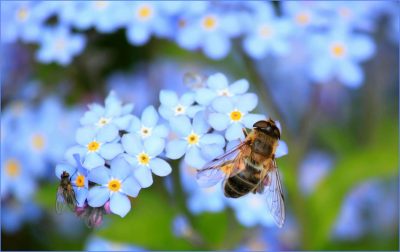
Bees are essential pollinators, playing a vital role in the health of our ecosystems. If you’re a gardener or nature enthusiast looking to attract more bees to your garden, choosing the right plants is essential. This guide covers some of the best bee-attracting plants and tips to create a bee-friendly garden.
Why Attract Bees to Your Garden?
Before we dive into the top plants for bees, it’s helpful to understand why you should attract them. Bees are responsible for pollinating about 75% of flowering plants and nearly 35% of global food crops. Without them, we’d face a significant decrease in biodiversity and a reduction in the availability of fruits, vegetables, and flowers. Plus, a garden buzzing with bees is a sign of a healthy ecosystem.
What Plant Attracts the Most Bees?
So, what plant is the absolute bee magnet? While bees are drawn to a variety of plants, lavender often tops the list as one of the most bee-attractive plants. Its fragrant flowers and high nectar production make it irresistible to bees, especially during the summer when lavender is in full bloom.
However, bees are also highly attracted to several other plants. Here’s a list of top contenders:
1. Lavender (Lavandula spp.)
- Why It Attracts Bees: Lavender is rich in nectar, and its tubular flowers are easy for bees to access.
- Growing Tips: Lavender thrives in sunny locations with well-draining soil. It’s also drought-tolerant, making it perfect for low-maintenance gardens.
2. Borage (Borago officinalis)
- Why It Attracts Bees: Known as the “bee plant,” borage produces bright blue, star-shaped flowers that bloom repeatedly throughout the growing season, providing bees with a consistent source of nectar.
- Growing Tips: Borage is an annual that grows easily from seed. It thrives in full sun and can grow in a variety of soil types.
3. Bee Balm (Monarda spp.)
- Why It Attracts Bees: The showy, tubular flowers are perfectly shaped for bees, especially bumblebees.
- Growing Tips: Bee balm prefers full sun but tolerates partial shade. It’s also deer-resistant and can help repel pests.
4. Sunflowers (Helianthus spp.)
- Why It Attracts Bees: Bees are drawn to the large, bright blooms of sunflowers, which provide both nectar and pollen.
- Growing Tips: Sunflowers are easy to grow from seeds and prefer full sun. They can be planted directly in the soil after the last frost.
5. Wildflowers
- Why It Attracts Bees: Wildflowers provide a natural source of nectar and pollen and often bloom for extended periods.
- Growing Tips: Consider creating a wildflower meadow or dedicating a section of your garden to native wildflowers, which are usually low-maintenance and adapted to your climate.
How to Create a Bee-Friendly Garden
Simply planting bee-attracting plants is a great start, but a few extra steps can make your garden even more welcoming to bees.
- Plant in Clumps: Bees are more attracted to clusters of the same plant species rather than scattered single plants. Grouping flowers together will draw more bees and make it easier for them to collect nectar efficiently.
- Provide Water: Bees need water for drinking and cooling the hive. Set up a shallow birdbath or add small pebbles to a shallow dish filled with water so bees can safely land.
- Choose a Variety of Blooming Plants: Different plants bloom at different times. By including a mix of spring, summer, and fall bloomers, you’ll ensure that bees have a steady supply of nectar throughout the growing season.
- Avoid Pesticides: Pesticides can harm bees and other beneficial insects. Opt for organic gardening methods, such as companion planting and natural pest deterrents, to keep your garden bee-friendly.
- Use Native Plants: Native plants are adapted to the local climate and often require less maintenance. Bees are especially attracted to native plants because they’ve co-evolved and rely on them for food.
Final Thoughts
Creating a bee-friendly garden benefits both the environment and your outdoor space. Lavender may be the most popular choice, but adding a variety of bee-attracting plants like borage, bee balm, and sunflowers will bring diversity to your garden and attract even more bees. Plus, these plants provide beauty and fragrance to enjoy throughout the season.
By making these small adjustments, you’ll be supporting bee populations, enhancing biodiversity, and creating a vibrant, healthy garden. So, the next time you plan your garden, think about the bees—and choose plants that help both them and your garden thrive.
Incorporate these tips into your gardening practices, and you’ll be well on your way to creating a haven for bees. The results will be a thriving, buzzing garden full of life and beauty!
Discover more from Love for Gardens
Subscribe to get the latest posts sent to your email.

