
Malta’s climate, geography, and rich cultural history make it an interesting place for gardeners and nature enthusiasts.
From indigenous trees like the Carob to Mediterranean favourites like the Olive, Malta’s selection of suitable trees is as diverse as it is resilient.
This guide explores the best trees to grow in Malta, focusing on climate adaptability, benefits, maintenance needs, and environmental impact.
Whether you’re interested in fruit-bearing trees, ornamental additions, or native varieties, this article covers everything you need to know.
Introduction to Malta’s Climate and Landscape
Malta enjoys a Mediterranean climate with hot, dry summers and mild, wet winters. This climate influences the trees that can thrive, as they need to withstand extreme heat and occasional droughts, especially during Malta’s intense summers.
The island’s soil varies in composition, from clay to limestone, with some areas featuring sandy textures. As a result, trees that thrive here must be drought-tolerant, resilient, and adaptable to a range of soil types.
Benefits of Growing Native Trees in Malta
Growing native trees in Malta is an environmentally friendly and low-maintenance option. Native trees are better adapted to local conditions, making them resistant to pests and diseases common in the area.
Moreover, they play a crucial role in supporting local biodiversity, providing habitats and food sources for native wildlife. For homeowners, native trees are practical as they often require less water and care compared to exotic species.
Key Considerations When Choosing Trees for Malta
Selecting trees for Maltese landscapes involves several factors:
- Sun Exposure: Most trees in Malta require full sun due to the hot climate.
- Watering Needs: Drought-tolerant trees are ideal as water scarcity is a common challenge.
- Soil Adaptability: Trees must tolerate a range of soil types, from alkaline limestone to clay.
- Growth Speed and Size: For urban areas, compact trees with slower growth are preferable.
- Resistance to Pests: Trees that can resist local pests ensure a healthier, longer life.
Native Maltese Trees and Shrubs for Local Gardens
Native trees like the Carob, Olive, and Fig have grown on Maltese soil for centuries and are well-suited to its conditions. Native shrubs also add diversity and structure to landscapes, offering low-maintenance greenery. Native species are essential to preserve as they maintain the region’s ecological balance and heritage.
Top 10 Native Trees for Malta
Let’s delve into the best native trees for Maltese gardens.
Carob Tree (Ceratonia siliqua)
The Carob tree, known for its sturdy, drought-resistant properties, is one of Malta’s most iconic trees. Known for its edible pods and shade, it can withstand the dry summers with little water. Carob trees are relatively low-maintenance, making them suitable for busy gardeners.
Olive Tree (Olea europaea)
Olive trees are synonymous with the Mediterranean landscape. They require minimal water and adapt well to Malta’s limestone-rich soil. With proper care, olive trees produce fruit that can be harvested and enjoyed for oil and pickling. Additionally, they are highly resistant to drought and pests.
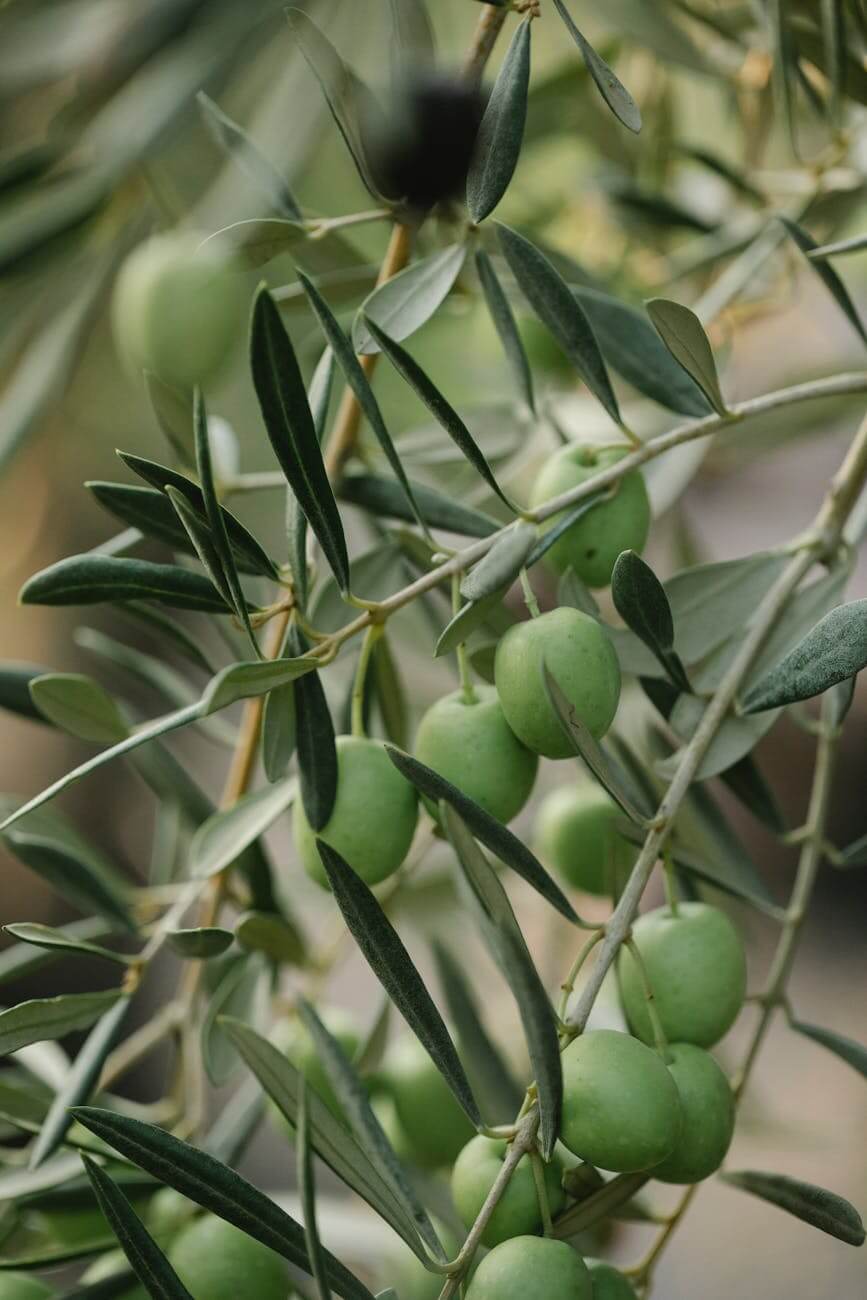
Fig Tree (Ficus carica)
Figs thrive in Malta’s sunny climate. These trees grow quickly, offering fruit that can be enjoyed fresh or dried. Fig trees adapt well to the varied soils in Malta, needing little more than regular pruning and occasional watering.
Mediterranean Pine (Pinus halepensis)
Mediterranean Pines are resilient trees that adapt well to poor soils and dry conditions. These pines provide shade and contribute significantly to the Maltese ecosystem by preventing soil erosion and providing habitats for wildlife.
Bay Laurel (Laurus nobilis)
Known for its culinary leaves, Bay Laurel is a practical tree for Maltese gardens. This tree grows well in partial shade and requires minimal maintenance. Bay Laurel is resistant to pests, making it a convenient choice for residential gardens.
Cypress Tree (Cupressus sempervirens)
Cypress trees are popular for their slender shape and are often used as windbreaks or hedges. They adapt well to Malta’s climate, though they prefer well-draining soil and a sunny spot. Cypress trees add both aesthetic value and practical functionality.
Top 10 Ornamental Trees for Maltese Gardens
For those looking to beautify their surroundings, certain ornamental trees can bring colour and structure to Maltese landscapes.
Jacaranda (Jacaranda mimosifolia)
Jacarandas are famous for their vibrant purple blooms. They require well-draining soil and full sun to thrive, making them a good fit for Maltese gardens. Regular pruning keeps their shape tidy and encourages flowering.
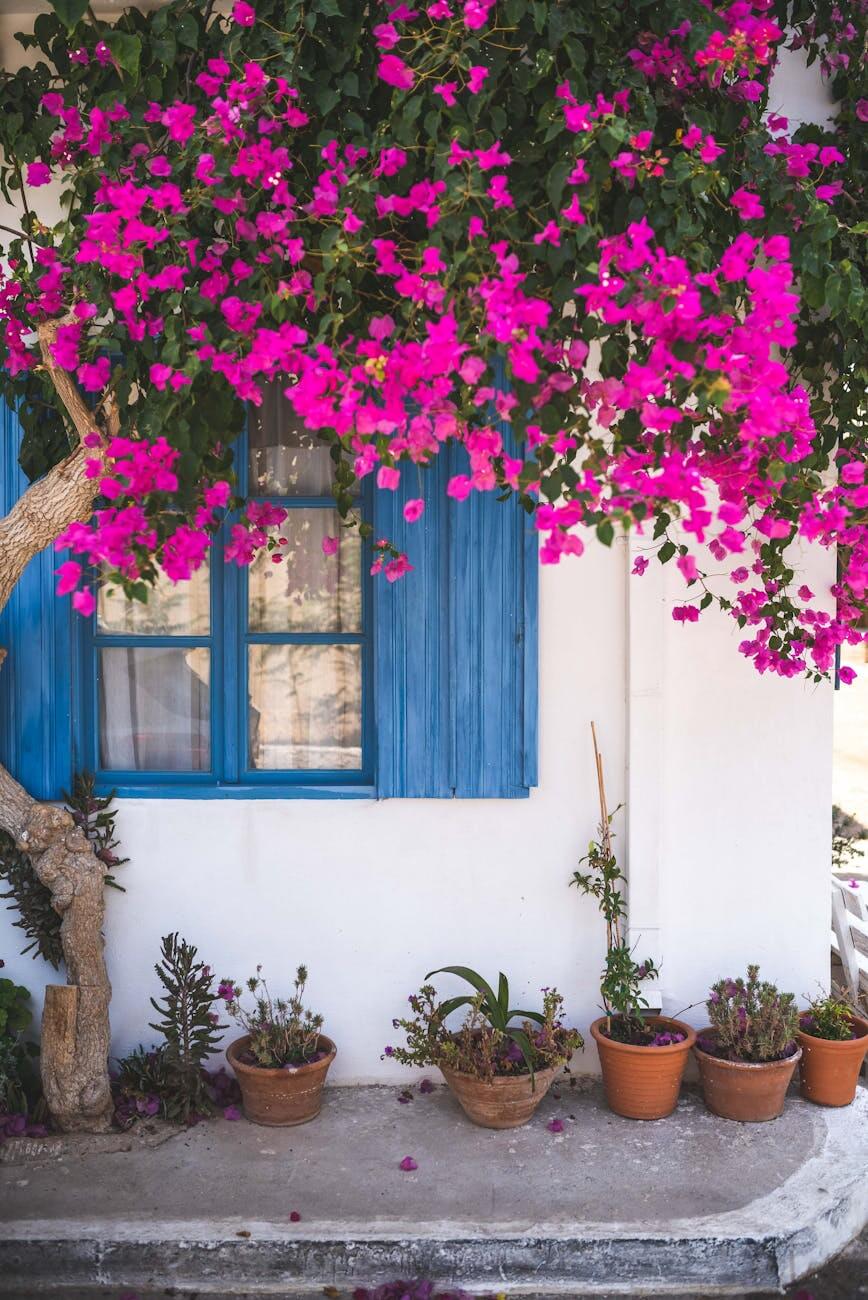
Bougainvillea (Bougainvillea glabra)
Bougainvillea is typically a vine, but with training, it can grow as a tree. Known for its vibrant pink or purple flowers, it thrives in Malta’s hot summers. Bougainvillea is drought-tolerant and adds a burst of colour to landscapes.
Fruit Trees That Thrive in Malta
Growing fruit trees in Malta is rewarding. Some trees are particularly suited to the Mediterranean climate, making them low-maintenance while yielding delicious produce.
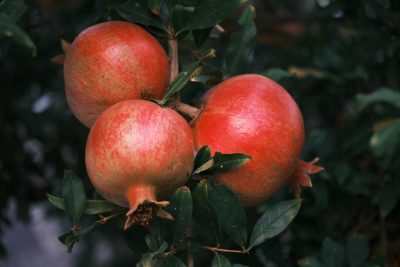
Pomegranate (Punica granatum)
Pomegranates are well-suited to Malta’s climate. They produce fruit after about three years and require little water. With proper care, pomegranates can grow to a significant size, providing both beauty and fruit.
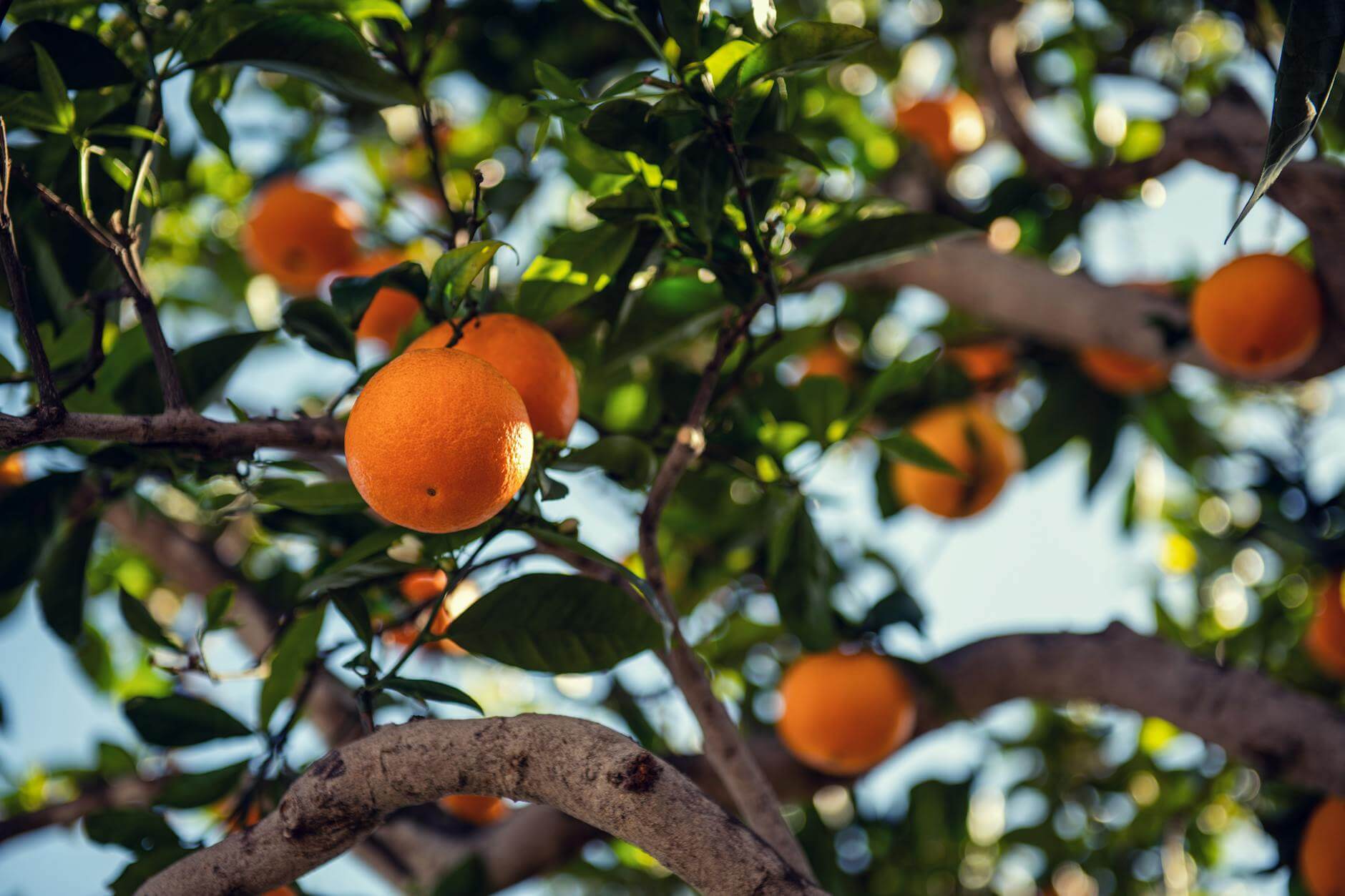
Citrus Trees (Lemon, Orange, Lime)
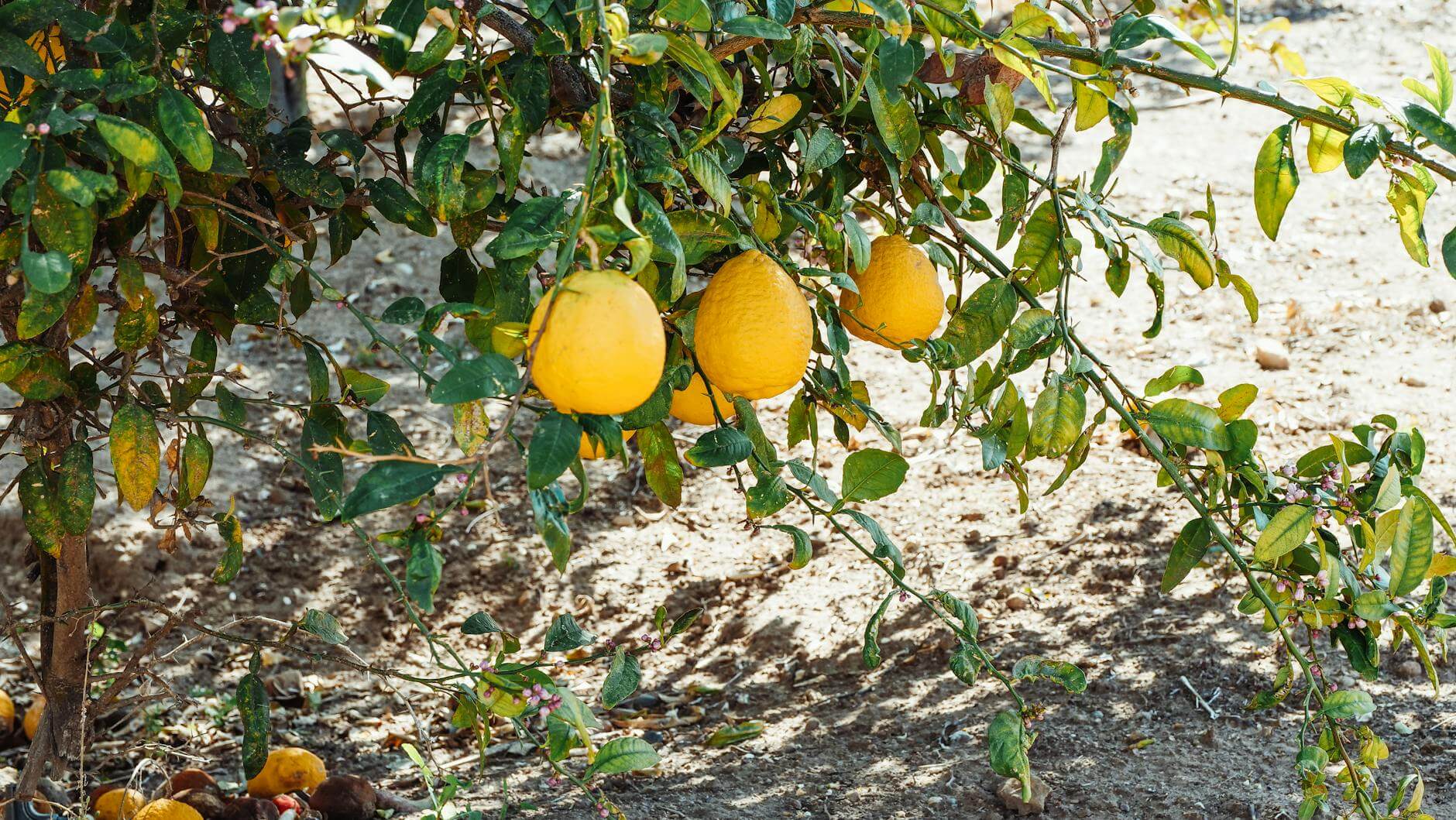
Citrus trees are highly compatible with Malta’s climate, as they thrive in full sun and well-draining soil. With regular watering and seasonal fertilizing, citrus trees yield bountiful fruits. They can be affected by pests, so monitoring for issues is essential.
Best Practices for Planting and Caring for Trees in Malta
To ensure your trees thrive, it’s essential to employ water conservation strategies. Mulching around trees can retain moisture, while regular checks for pests can prevent infestations. During summer, deep watering helps support root growth and resilience against drought.
Common Challenges in Growing Trees in Malta and Solutions
Drought, soil quality, and pests are the primary challenges. Mulching and efficient irrigation can address drought, while compost or organic soil amendments can improve soil health. Additionally, pest control strategies like regular pruning and natural pesticides can mitigate damage.
Environmental and Community Benefits of Planting Trees in Malta
Trees help cool the air, reduce pollution, and provide habitats for wildlife, making Maltese cities greener and healthier. Trees in urban spaces also benefit communities by enhancing residents’ well-being and supporting Malta’s biodiversity.
Future of Tree Planting in Malta and Sustainability Efforts
Sustainability is central to tree-planting efforts in Malta, with several NGOs and government programs focused on reforestation. By planting native and drought-tolerant species, Malta can enhance biodiversity and combat climate change impacts.
FAQs: Best Trees to Grow in Malta
- What are the easiest trees to grow in Malta?
- Native species like the Olive, Carob, and Fig are easy to grow and require minimal maintenance.
- Can non-native trees survive in Malta?
- Yes, many non-native trees can thrive, especially those suited to a Mediterranean climate.
- How much water do Maltese trees need?
- Established trees need minimal water, but young trees require regular watering until their roots are stable.
- How long does it take for trees to mature in Malta?
- Depending on the tree, maturity can range from 3-10 years.
- Are fruit trees worth growing in Malta?
- Absolutely! Fruit trees like Pomegranate and Citrus do well and offer fresh produce.
- What is the ideal season for planting trees in Malta?
- Autumn is best as it allows trees to establish roots before the summer heat.
Conclusion
Malta’s climate offers unique challenges and opportunities for tree enthusiasts. By choosing the right species, particularly those that are native or Mediterranean, residents can enjoy thriving landscapes with minimal maintenance. Trees not only beautify Maltese gardens but also support local ecosystems and contribute to Malta’s sustainability goals.
Join our newsletter! Subscribe here to get fresh content delivered to your inbox.
Discover more from Love for Gardens
Subscribe to get the latest posts sent to your email.

