
A Succulent’s Watering Needs
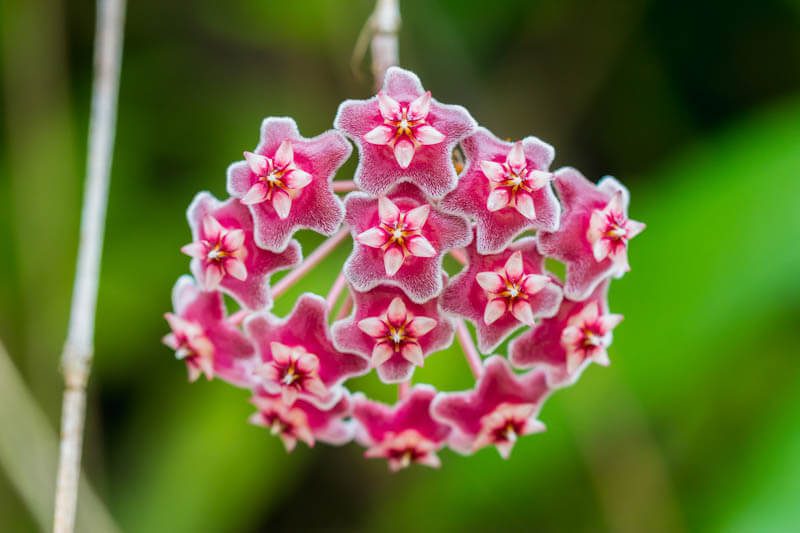
Hoya wax plants, with their waxy, heart-shaped leaves, are popular houseplants due to their low-maintenance nature. However, one common question among plant enthusiasts is, “How often should I water my Hoya?“
Understanding Your Hoya’s Thirst
The key to successful Hoya care lies in understanding its watering needs. As succulents, Hoyas are adapted to store water in their leaves and stems. This means they can tolerate periods of drought. Overwatering is a common mistake that can lead to root rot and plant death.
A General Rule of Thumb
A good rule of thumb is to water your Hoya once every 1-2 weeks during the growing season (spring and summer). However, the frequency may vary depending on factors such as:
- Pot size and type: Larger pots retain moisture longer than smaller ones.
- Soil mix: A well-draining soil mix will dry out faster.
- Light conditions: More light generally means more water is needed.
- Temperature and humidity: Warmer temperatures and lower humidity can increase water needs.
The “Wait-Until-Dry” Method
To determine if your Hoya needs water, use the “wait-until-dry” method:
- Check the soil moisture: Stick your finger about an inch deep into the soil. If it feels dry, it’s time to water.
- Weigh the pot: A dry pot will feel lighter than a wet one.
Watering Tips for Hoya Wax Plants
- Water thoroughly: When you do water, make sure to water deeply, allowing excess water to drain out of the pot.
- Avoid overwatering: Overwatering is a common cause of Hoya problems. Let the soil dry out completely between waterings.
- Use room-temperature water: Cold water can shock the plant’s roots.
- Consider bottom watering: This method can help prevent overwatering and fungal diseases.
- Adjust watering in winter: During the winter months, reduce watering to once every 4-6 weeks.
By following these tips, you can keep your Hoya wax plant healthy and thriving. Remember, it’s always better to underwater than to overwater. Happy plant parenting!
Read more about Hoya plants below:
Discover more from Love for Gardens
Subscribe to get the latest posts sent to your email.

